 Sudden Valley
 Windows Built for Sunnyland's Climate
Sunnyland homes sit close enough to Lake Whatcom and the surrounding Sudden Valley tree cover that windows here take a different kind of beating than windows in a dry inland neighborhood. You've got salt-tinged air drifting in off the Sound on certain wind patterns, long stretches of driving rain that push water sideways into every gap, and a moss season that seems to run longer every year. None of that is exotic information to anyone who's lived here a while, but it matters a lot when you're deciding what kind of window to put in your walls and who's going to install it.
Old wood windows in this part of Whatcom County tend to show their age through swollen sashes, cracked glazing putty, and sills that have gone soft from years of moisture cycling. Older aluminum-frame windows condensate constantly and let cold radiate straight through the frame. Vinyl windows installed poorly — even fairly new ones — can develop fogged glass or drafty corners within a few years if the flashing and sealing weren't done right the first time. The goal of a proper window replacement in Sunnyland isn't just a new pane of glass; it's a system that keeps water out, holds its seal through decades of wet winters, and doesn't ask you to fight condensation and mildew every fall.
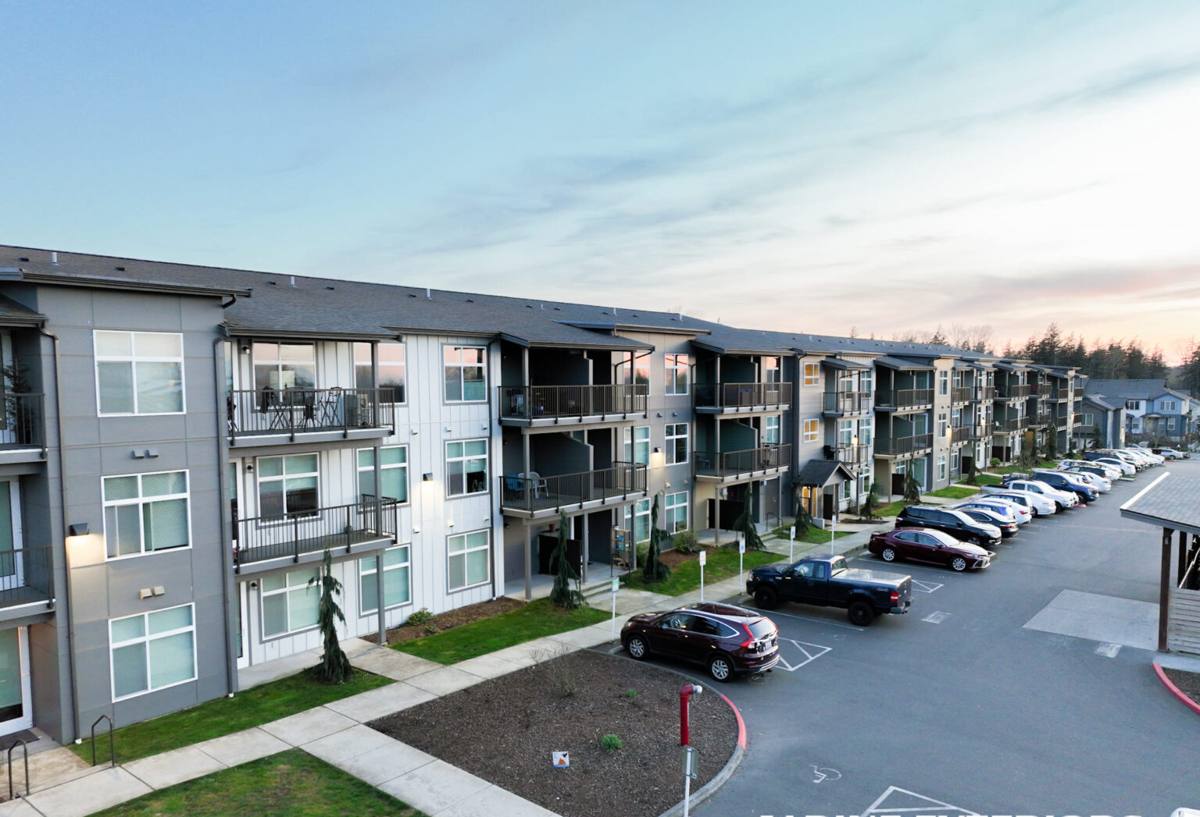
What Local Homes Actually Need
Moisture Management First
In a rainy climate like ours, the flashing and sealing details around a window matter more than almost anything else about the window itself. A high-end window installed without proper flashing tape, sill pans, and weather-resistive barrier integration will leak eventually — it's just a matter of time and one hard storm. A modest, well-built vinyl or fiberglass window installed correctly, with attention to how water sheds off the siding and away from the rough opening, will outperform it every time.
Frame Material That Fits the Coast
Salt air is corrosive to certain metals and hardware over time, and it can also accelerate the breakdown of some lower-grade vinyl compounds and finishes. We steer most Sunnyland homeowners toward quality vinyl or fiberglass frames with corrosion-resistant hardware, rather than bare aluminum or budget composite products that weren't built with coastal exposure in mind. This isn't about brand-bashing — it's about matching frame material and hardware grade to what your specific exposure actually demands.
Moss and Organic Growth
Moss doesn't just grow on roofs around here. It takes hold in window sills, tracks, and any horizontal surface that stays damp and shaded, which describes a lot of Sunnyland's tree-covered lots for a good chunk of the year. Sill design, drainage weep holes that actually stay clear, and trim details that shed water instead of pooling it all reduce how much moss and mildew build up around your windows season after season.
What a Correct Installation Involves
A window replacement done right is mostly about what happens before the new window ever goes in the opening. Here's the sequence we follow on every job:
- Remove the old window and inspect the rough opening for rot, soft framing, or prior water damage — this is where a lot of hidden problems get found and fixed before they're sealed behind a new window for another twenty years.
- Install or repair the sill pan so any water that does get past the window has a way to drain back out instead of soaking into the framing.
- Apply flashing tape and integrate it correctly with the existing weather-resistive barrier, so water sheds down and over, never behind.
- Set the new window level, plumb, and square, then fasten according to the manufacturer's installation instructions — skipping or shortcutting this step is one of the most common causes of premature window failure.
- Seal and insulate the gap between the frame and the rough opening with the correct materials — not just a bead of caulk around the outside trim.
- Finish exterior trim and caulking in a way that sheds water and matches the home's existing lines.
Skip steps two, three, or five, and you can end up with a beautiful-looking window that's quietly rotting the framing around it. This is why we treat the flashing and sealing work as the real job, not a formality on the way to hanging the sash.
Our Process for Sunnyland Homeowners
1. On-Site Assessment
We come out, look at your current windows, and talk honestly about which ones need replacing now versus which ones can wait. Not every window on a house needs to go at the same time, and we'll tell you that if it's true.
2. Straight Recommendations
We'll walk you through frame material, glass package, and grille or style options based on your home's exposure, your budget, and how the rest of your exterior looks — not based on what's easiest for us to install.
3. Written Estimate
You get a clear, itemized estimate before any work starts. No surprise add-ons discovered halfway through the job.
4. Careful Removal and Install
We protect your interior, remove old windows carefully, inspect and repair the opening as needed, and install using the full flashing and sealing sequence described above.
5. Cleanup and Walkthrough
We clean up job debris and walk you through the finished windows — how they operate, how to maintain the tracks and weep holes, and what to watch for over the first year.
Comparing Frame Options for a Sunnyland Exposure
| Frame Type | Moisture Resistance | Maintenance | Typical Fit for This Area |
|---|---|---|---|
| Vinyl (quality grade) | Good — won't rot or corrode | Low — occasional cleaning | Strong all-around choice for most Sunnyland homes |
| Fiberglass | Very good — stable in wet/dry cycling | Low | Good option where budget allows, especially larger openings |
| Wood (clad exterior) | Good if maintained, vulnerable if not | Higher — finish and seals need periodic attention | Best for homeowners committed to upkeep or matching historic character |
| Bare aluminum | Poor — conducts cold, prone to condensation | Moderate | Generally not recommended for our climate |
Cost varies with size, glass package (double vs. triple pane, low-E coatings), grille pattern, and how many windows are done in a single project — batching windows together typically brings the per-window cost down versus replacing them one at a time over several years.
What to Check Before You Hire Anyone
- Do they explain their flashing and sealing process, or just talk about the window brand?
- Are they licensed and insured to work in Washington, and will they show you proof without you having to ask twice?
- Do they inspect the rough opening for rot before installing, and tell you honestly if they find damage?
- Will they give you a written, itemized estimate before work begins?
- Do they have experience specifically with wet-climate, tree-covered lots like the ones around Sudden Valley and Lake Whatcom?
- Do they offer a clear warranty on their installation labor, separate from the manufacturer's product warranty?
Why a Crew That Already Works Sunnyland Matters
Every neighborhood has its own quirks, and Sunnyland's are shaped by its position relative to Lake Whatcom, its tree cover, and the general wet-and-mild rhythm of Whatcom County weather. A crew that's already replaced windows on homes in this area knows which sides of a house typically take the worst wind-driven rain, how much shade and moss pressure to expect on north-facing walls, and what the moisture patterns look like in older versus newer construction around here. That familiarity shows up in small decisions — where to add extra flashing, which sill details hold up best, how to sequence work around our wetter months — that a crew unfamiliar with the area might not think to make.
It also means we're not learning on your house. We've seen how these specific conditions age different window products and installation methods over time, and we apply that directly to how we plan and execute your job.
Signs Your Sunnyland Home May Need Window Replacement
- Visible fogging or moisture between panes of double-glazed windows
- Wood sashes or sills that feel soft, spongy, or show peeling paint from trapped moisture
- Drafts you can feel around the frame even with the window fully closed and latched
- Windows that are difficult to open, close, or lock due to warping
- Visible mold, mildew, or persistent moss buildup on interior or exterior sills
- Noticeably higher heating bills compared to similar homes nearby
If you're noticing one or two of these signs, it's often worth having windows assessed before the damage spreads into the surrounding framing — catching it early keeps the repair scope, and the cost, a lot smaller.
If you're weighing window replacement for your Sunnyland home, we're happy to take a look and give you a straight, no-pressure estimate — just fill out the form below and we'll get in touch.