 Sudden Valley
 Exterior Work in Columbia, Washington
Columbia sits within the broader Sudden Valley area of Whatcom County, and like the rest of this corner of Washington, homes here spend most of the year wet. That's not a complaint — it's just the baseline you design and build around. Siding, roofing, windows, and decks in this part of the state either get specified and installed for a marine climate, or they start failing years earlier than they should.
We're a local exterior contractor working this area regularly, not a crew that drives in once and never comes back. That matters more here than in drier parts of the country, because the climate punishes shortcuts slowly and quietly — a poorly flashed window or the wrong siding material won't fail in month one, it fails in year four or five, after the warranty conversation has already gotten complicated.
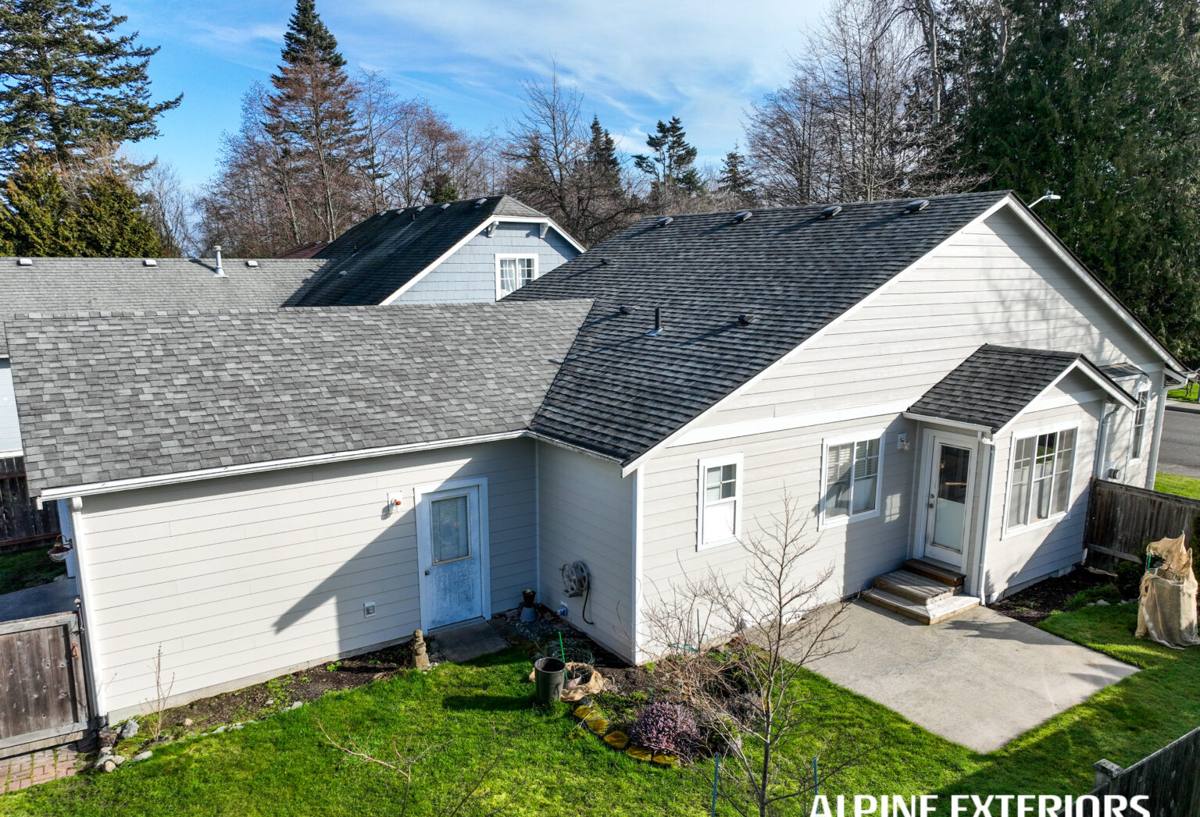
What Columbia Homes Are Up Against
Whatcom County's marine-influenced climate brings salt-tinged air, long stretches of driving rain, and a moss season that can run most of the year in shaded or north-facing exposures. Individually, none of these is dramatic. Together, over a decade or two, they're what separates an exterior that ages gracefully from one that needs replacement long before it should.
- Salt-laden air: corrodes fasteners, trim metal, and exposed hardware faster than an inland climate would, and it accelerates the breakdown of coatings that aren't built to resist it.
- Driving, wind-blown rain: pushes moisture into seams, laps, and joints that a straight-down rain would never reach — which is why flashing and installation detail matter as much as the material itself.
- Extended moss and algae season: keeps shaded wall sections and rooflines damp for long periods, feeding organic growth that holds moisture against the surface and, on the wrong substrate, invites rot underneath.
- Temperature swings and humidity cycling: stress any material that expands, contracts, or absorbs water differently across seasons — trim, seams, and fastener points take the brunt of it.
None of this means Columbia is a hard place to build. It means the products and the installation practices need to match the conditions, and that's where a lot of exteriors in western Washington go wrong — not from bad intentions, but from using materials or details that were never really suited to this much sustained moisture.
Why We Only Install James Hardie Fiber Cement
We install James Hardie fiber cement siding exclusively. We don't install vinyl, LP SmartSide, Cemplank, Allura, primed spruce, or cedar. That's a deliberate standard, not a supply preference, and it's worth explaining rather than just stating.
Fiber cement is non-combustible and dimensionally stable — it doesn't expand and contract with moisture and temperature the way wood-based or engineered-wood products do, and it doesn't soften or degrade from prolonged water exposure the way OSB-core products can if a seam or cut edge is compromised. In a climate defined by driving rain and a long wet season, that stability is the whole ballgame. Hardie's ColorPlus factory finish is baked on and warranted separately from the substrate, which matters in salt-influenced air where field-applied paint tends to chalk and fade faster.
James Hardie also engineers regional product lines — HZ5 and HZ10 — specifically for climate zones with more moisture exposure, which is a level of climate-specific engineering that most competing siding materials don't offer at all. We'll cover the specifics of those lines in more detail on our James Hardie product pages, but the short version is: the material was built with places like Whatcom County in mind, not adapted to them after the fact.
None of this is a knock on every homeowner who has vinyl or engineered wood siding on their house right now — plenty of those products perform fine for a while under the right conditions. Our position is narrower: given what we see fail first in this climate, and given what we're willing to warranty our workmanship against, fiber cement is the only material we're willing to put our name on.
Fiber Cement vs. Other Common Siding Materials
| Factor | James Hardie Fiber Cement | Vinyl | Engineered Wood (e.g. LP SmartSide) |
|---|---|---|---|
| Moisture tolerance | Does not absorb or swell; core is cement-based | Doesn't absorb water, but seams and panels can warp or buckle | Wood-fiber core can swell or degrade if edges/seams are compromised |
| Combustibility | Non-combustible | Combustible, can melt or deform in heat | Combustible |
| Finish durability in salt air | Factory ColorPlus finish, separately warranted | Color molded in but can fade/chalk over time | Field or factory paint, typically needs repainting on a cycle |
| Installation sensitivity | Moderate — correct fastening, gapping, flashing critical | Lower — but expansion gaps still critical | High — cut edges and seams must be sealed and maintained |
| Typical lifespan when installed to spec | Multiple decades with proper maintenance | Long, but appearance/rigidity degrade over time | Shorter if moisture management isn't kept up |
Siding Services We Provide in Columbia
Most of our siding work in this area falls into one of a few categories, and the right approach depends heavily on what's happening underneath the existing siding, not just what's visible on the surface.
Full Siding Replacement
This is the right call when the existing siding is failing broadly — persistent moisture intrusion, widespread rot at seams, or a material (like aging cedar or older engineered wood) that's reached the end of its practical service life. A full replacement also lets us correct flashing, water-resistive barrier, and detailing issues at the same time, which matters more in a wet climate than in a dry one, because those hidden layers do most of the actual work of keeping water out.
Targeted Repair and Section Replacement
Not every siding problem calls for a full tear-off. Localized rot, impact damage, or a failing section on one elevation — often the side that takes the most driving rain or stays shaded and mossy longest — can sometimes be addressed without redoing the whole house. We'll tell you honestly when a repair makes sense and when it's a temporary fix on a bigger underlying problem.
New Construction and Additions
For new builds or additions in the Sudden Valley area, we install Hardie from the start, with flashing and water management detailed for this climate from day one rather than retrofitted later.
Beyond Siding: The Rest of the Exterior Envelope
Siding doesn't work in isolation. Roofing, windows, and decks all interact with the same water-management system, and in a climate with this much sustained moisture, problems tend to show up at the seams between trades — where a roof meets a wall, where a window is flashed into siding, where a deck ledger attaches to the house.
- Roofing: a roof that's shedding water properly protects everything below it, including your siding's top courses and trim.
- Windows: correct flashing integration between window and siding is one of the most common failure points we find on older homes in this climate.
- Decks: ledger attachment and flashing where a deck meets the house wall is a classic spot for hidden rot if it wasn't detailed correctly the first time.
Handling siding, roofing, windows, and decks under one crew means fewer handoffs and fewer places where two trades each assume the other one handled the flashing detail.
Why a Local Crew Matters Here
A crew that works Whatcom County regularly has already seen how a given siding detail holds up through a few wet seasons, not just how it looks on installation day. That experience shapes decisions you won't necessarily notice — where extra flashing goes, how much of a gap to leave at trim boards, which elevations need extra attention because they stay shaded and damp longest.
It also matters for accountability. A warranty is only as good as the contractor's ability to come back and stand behind the work. A local crew has a reason to get the detail right the first time, because they're the ones who'll be fixing it if they don't.
What to Expect From Our Process
- On-site assessment of your current siding, trim, and any visible moisture or rot issues
- Honest recommendation — full replacement, section repair, or monitoring — based on what we actually find, not a default upsell
- A written estimate that spells out material, scope, and what's included
- Proper removal and inspection of the wall assembly underneath old siding before anything new goes up
- Installation to James Hardie's specifications, including fastening, gapping, and flashing details suited to this climate
- A final walkthrough before we consider the job done
Maintenance in a Marine Climate
Fiber cement is low-maintenance, not no-maintenance. In Columbia's climate, a few habits go a long way toward getting the full lifespan out of your siding investment:
| Task | Why It Matters Here |
|---|---|
| Periodic rinse-down of shaded/north-facing walls | Reduces moss and algae buildup during the long wet season |
| Annual visual check of caulking and trim joints | Driving rain finds gaps that straight-down rain never would |
| Keeping gutters and downspouts clear | Prevents overflow that saturates siding and trim below |
| Trimming back vegetation near walls | Improves airflow and drying time, limits moss colonization |
Ready for a No-Pressure Estimate
If your Columbia home's siding is showing moss staining, peeling trim, soft spots, or you're simply planning ahead, we're happy to take a look and give you a straightforward read on where things stand. There's no cost and no pressure — just an honest assessment from a crew that works this climate every week. Use the form below to request a free estimate.