 Sudden Valley
 Happy Valley Roofs Face a Tougher Climate Than Most
Homes in the Happy Valley area near Sudden Valley sit in one of the more demanding roofing climates in Whatcom County. The combination of moist marine air, long stretches of driving rain, and shaded tree cover means roofs here rarely get a real chance to dry out between weather systems. Add in a moss season that can run from early fall through late spring, and it's easy to see why roofs in this pocket of the county tend to show wear faster than homes in drier parts of the state.
None of that means a roof here is destined to fail early. It means the installation has to account for moisture from the start — not just the shingle or metal panel you see, but everything underneath it. A new roof installed correctly for this environment should hold up for decades. One installed with shortcuts, or with materials better suited to a drier climate, will show problems within a few short years: soft spots, granule loss, moss intrusion at the seams, and leaks that trace back to a poorly detailed valley or flashing joint.
Signs It's Time for a New Roof, Not Another Repair
Repairs make sense when a roof has isolated damage and years of usable life left. Replacement makes sense when the underlying materials are wearing out across the board. In Happy Valley's climate, the tell-tale signs tend to show up in a few consistent places:
- Moss and algae streaking that keeps returning within a season or two of cleaning
- Curling, cracking, or granule loss on shingles, especially on north-facing and shaded slopes
- Soft or spongy decking felt underfoot during a walk-across inspection
- Daylight visible through the attic at roof boards, or damp insulation below the deck
- Repeated leaks around valleys, chimneys, or vent penetrations even after patching
- A roof original to the home and approaching or past its expected service life
If a roof is showing two or more of these at once, patch repairs usually end up being a short-term fix on a system that's failing as a whole. That's the point where a full replacement becomes the more honest recommendation, both for the homeowner's budget and for the long-term protection of the house.
Choosing the Right Roofing System for This Climate
Not every roofing material performs the same way under constant moisture and shade. The right choice depends on the home's roof pitch, sun exposure, tree cover, and the homeowner's tolerance for maintenance. Here's how the common options compare specifically against the conditions Happy Valley homes deal with:
| Roofing Material | Moisture & Moss Resistance | Maintenance Burden | Typical Lifespan Here |
|---|---|---|---|
| Standard asphalt shingle | Moderate — algae-resistant granules help but still needs periodic moss removal in shaded areas | Moderate — benefits from annual moss checks | 18–25 years with proper ventilation |
| Impact- and algae-resistant asphalt shingle | Good — copper or zinc granule treatment slows algae and moss growth | Lower — treated granules reduce how often cleaning is needed | 20–30 years |
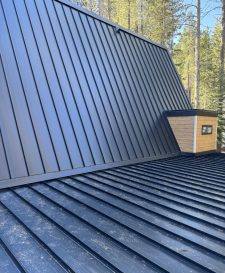
| Standing seam metal | Excellent — smooth, sloped surface sheds moisture and gives moss little to grip | Low — occasional debris clearing from valleys | 40+ years |
| Synthetic composite (shake or slate style) | Good — engineered for moisture but seams and texture need attention in heavy shade | Moderate | 30–50 years depending on product |
Ventilation and Moisture Control
Material choice only solves part of the problem. A roof in this climate also needs balanced intake and exhaust ventilation so moist air isn't trapped against the underside of the decking. Poor attic ventilation is one of the most common — and most preventable — causes of premature roof failure we see on homes in wetter parts of Whatcom County. It shows up as damp sheathing, mold on the underside of the roof deck, and shingles that fail from the inside out long before their rated lifespan is up.
What Correct Installation Actually Involves
Tear-Off and Deck Inspection
A proper new roof starts with removing the old roofing down to bare decking — not layering over what's already there. That's the only way to find out what's actually happening underneath: soft or rotted plywood, undersized rafters, or old flashing that's been quietly failing for years. Any damaged decking gets replaced before a single new layer goes down. Skipping this step is one of the most common ways a new roof ends up with problems within its first few winters.
Underlayment and Flashing Details
Given how much rain this area sees, underlayment isn't a place to cut corners. A synthetic, water-resistant underlayment across the full roof, with self-adhered membrane at vulnerable areas — valleys, eaves, around chimneys and skylights — gives the roof a real second line of defense if wind-driven rain ever gets past the surface material. Flashing at every penetration and roof-to-wall transition needs to be formed and lapped correctly, not just caulked and hoped for. Caulk is a maintenance item, not a waterproofing strategy.
Our Installation Process
Every home is different, but a well-run roof replacement in this area generally follows the same sequence:
- On-site inspection of the existing roof, attic, and decking to scope the actual condition — not just a visual from the ground
- A written estimate that spells out materials, ventilation plan, and any decking repairs anticipated
- Protection of landscaping, gutters, and siding before work begins
- Full tear-off to bare decking, with damaged sheathing replaced as needed
- Installation of ice-and-water membrane at eaves and valleys, followed by synthetic underlayment across the field
- Flashing installed at all chimneys, skylights, vents, and wall transitions
- Roofing material installed to manufacturer spec, with attention to nailing pattern and exposure — details that directly affect wind and warranty coverage
- Ridge and intake ventilation installed or corrected as part of the job, not treated as an afterthought
- Full site cleanup, including a magnetic sweep for stray nails
- Final walk-through so the homeowner can see the finished work before we call the job done
Moss, Algae, and Long-Term Roof Care
Even the best-installed roof in this climate benefits from a little upkeep. Moss doesn't just sit on the surface — left alone, it holds moisture against the material and works its way under shingle tabs and into seams. A short annual maintenance routine goes a long way toward protecting the investment:
- Clear overhanging branches to reduce shade and let the roof surface dry between rains
- Have gutters and valleys cleared of debris at least once a year, more often under heavy tree cover
- Remove moss growth gently — soft washing or manual removal, never pressure washing, which strips granules and shortens shingle life
- Check zinc or copper strips near the ridge periodically if your roof has them, since they help suppress regrowth
- Schedule a quick visual inspection after major windstorms to catch lifted shingles or displaced flashing early
Permits and Whatcom County Requirements
A full roof replacement typically requires a building permit, and inspections may apply depending on the scope of work and whether structural repairs are involved. Requirements and processing can vary by jurisdiction within the county, so this is confirmed for your specific property before work begins rather than assumed. Part of hiring a crew that regularly works in this area is that permitting and code compliance are handled as a normal part of the job, not something the homeowner has to sort out on their own.
Cost Factors to Understand Before You Budget
Roofing costs vary widely based on the specifics of the home, so we won't pretend a single number applies to every project. What we can do is walk through what actually drives the cost up or down:
| Factor | How It Affects Cost |
|---|---|
| Roof pitch and complexity | Steeper slopes and multiple valleys or dormers take longer to install and require more safety equipment |
| Number of existing layers | Tear-off of multiple old roofing layers adds labor and disposal cost |
| Decking condition | Rotted or soft sheathing found during tear-off adds material and labor to replace it properly |
| Material selection | Standard asphalt sits at the lower end; metal and composite systems cost more upfront but require less long-term maintenance |
| Ventilation upgrades | Correcting inadequate attic ventilation adds a modest cost but protects the new roof's lifespan |
| Access and site conditions | Steep lots, limited driveway access, or tall trees near the roofline can affect equipment and staging |
Why Local Experience in Happy Valley Matters
Roofing crews that only occasionally work in this part of Whatcom County tend to apply the same specs they'd use anywhere else — standard underlayment, standard ventilation, standard shingle. That approach isn't wrong everywhere, but it's not right here. A crew that regularly works homes around Sudden Valley and Happy Valley knows which slopes hold moss the longest, which roof ages are showing up with ventilation problems, and where the driving rain off the lake tends to find weak points in flashing. That familiarity shows up in fewer callbacks and a roof that's actually built for the conditions it has to survive, not a generic spec sheet.
If your roof is showing its age or you're just not sure whether repair or replacement makes sense, we're happy to take a look. Reach out for a free, no-pressure estimate using the form below — we'll give you a straight answer about your roof's condition and what it would take to do the job right.