 Sudden Valley
 Deck Building in Sehome: Built for How This Area Actually Weathers
A deck in Sehome doesn't fail the way a deck fails in a dry climate. It doesn't crack from sun exposure first — it goes soft at the ledger board, it grows moss between the boards, and its fasteners start weeping rust stains before the wood itself looks bad. If you've lived near Sudden Valley for more than a couple of winters, you already know this rhythm: wet fall, wetter winter, a short window of real sun, then back to gray. A deck built without that pattern in mind is a deck that's already on a shorter clock than it should be.
We build decks for homes in and around Sehome and the greater Sudden Valley area, and the difference between a deck that lasts 10 years and one that lasts 25+ almost always comes down to decisions made before the first board is cut — not the board itself.
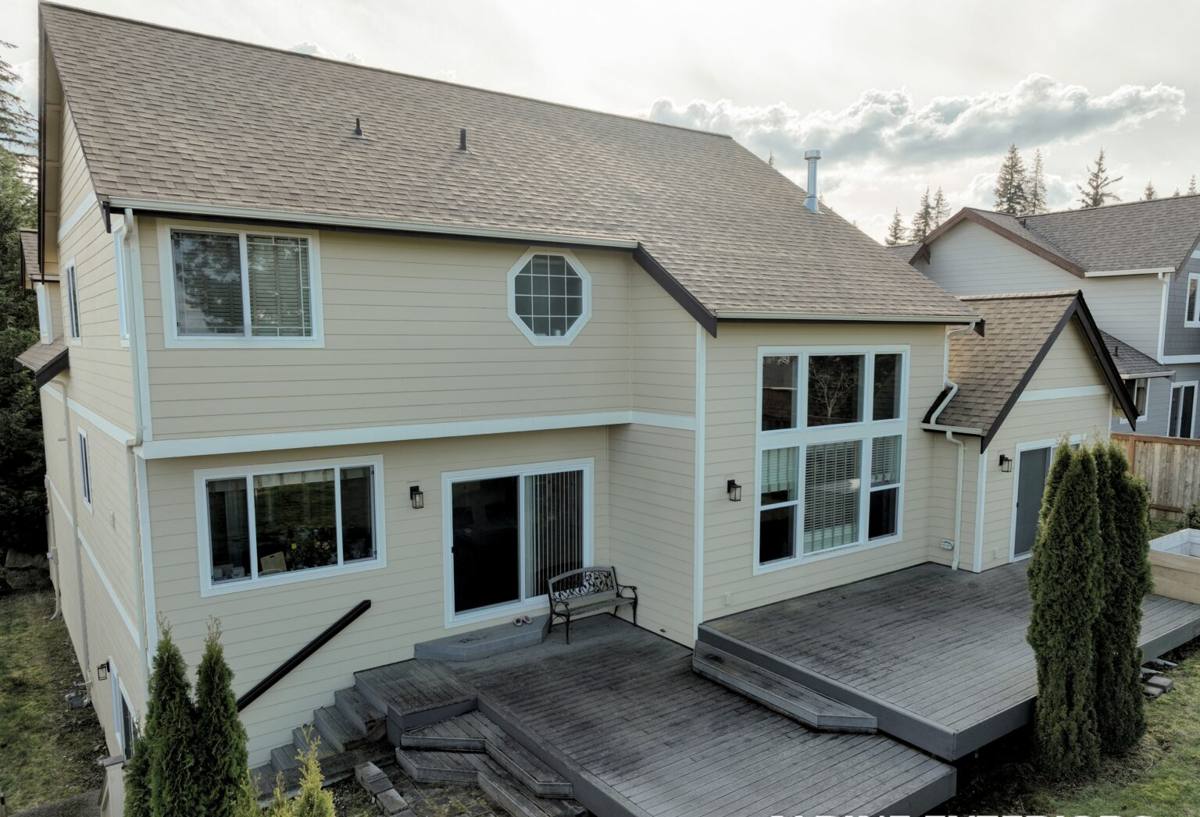
What Whatcom County Weather Actually Does to a Deck
Three things drive most of the deck problems we get called out to fix in this region:
- Driving rain: Wind-driven rain off the water and through the valley pushes moisture sideways, not just down. That means end grain, fastener heads, and ledger connections take on water even under a roof overhang that would protect a deck in a calmer climate.
- Salt air: Proximity to marine air accelerates corrosion on anything less than fully rated hardware — screws, joist hangers, and bolts that would last decades inland can start rusting and staining within a few seasons here.
- Moss season: Long stretches of shade, moisture, and mild temperatures from fall through spring are ideal moss and algae conditions. On a deck, that's not just cosmetic — moss holds moisture against the wood surface and turns board tops slick and dangerous underfoot.
None of this means a deck can't last in Sehome. It means the build has to account for these three things specifically, rather than following a generic spec sheet written for a drier region.
Where Problems Usually Start
In our experience, the failure points on older or poorly built decks in this area are almost always the same handful of spots: the ledger board connection to the house, any post base sitting in standing water or soil contact, fastener heads left exposed to weather, and board gaps that were cut too tight to allow for swelling and drainage. A correct build addresses all four before it addresses anything about appearance.
What a Correctly Built Deck Involves Here
Ledger and Structural Connection
The ledger board — where the deck attaches to the house — is the single most important structural and moisture point on the whole project. In a driving-rain climate, it needs proper flashing that directs water away from the house band joist, not just a bead of caulk. This is also the connection most likely to be missed or under-built in older decks, and it's where we spend extra time on every project regardless of budget.
Footings and Post Bases
Footings need to sit below frost depth and be set so posts and post bases never sit in standing water, especially given how much of the year this area spends wet. Post bases should hold the post above the concrete, not embed it — wood-to-concrete contact is one of the fastest ways to rot a post base in a wet climate.
Fasteners and Hardware
Given the salt air exposure in this region, we use corrosion-rated fasteners and connectors as standard, not upgrade options. Stainless or high-grade coated hardware costs more up front and saves you from rust streaks and failed connections down the line.
Decking Material and Spacing
Board spacing has to allow for both wood movement and drainage — too tight and water sits on the surface; too loose and the deck feels unfinished and drops debris through. Composite decking needs its own spacing and clip specs; wood decking needs air movement underneath to actually dry out between rain events, which is common through most of the year here.
Railings and Stairs
Same rules apply: fastener corrosion resistance, proper flashing where railing posts penetrate the deck surface, and attention to any horizontal surface where water and moss can collect.
Decking Material Comparison for This Climate
| Material | How It Handles Moisture | Moss/Algae Behavior | Maintenance |
|---|---|---|---|
| Pressure-treated wood | Good if properly ventilated underneath; can cup or warp if drainage is poor | Prone to moss buildup if not cleaned periodically | Annual cleaning, periodic sealing |
| Cedar | Naturally moisture-resistant but still needs proper airflow and finish | Still susceptible in constant shade/moisture areas | Regular sealing to maintain resistance |
| Composite | Doesn't absorb water into the board itself; performance depends on proper spacing/ventilation | Can still grow surface algae/moss in shaded, damp spots — requires occasional washing | Low — periodic washing, no sealing |
| PVC/vinyl decking | Fully water-resistant board material | Same surface-level moss risk as composite in shaded conditions | Low — washing only |
We'll walk through which of these fits your specific site — sun exposure, shade from trees, how the deck sits relative to the house — during the estimate. There isn't one right answer for every yard in Sehome; a deck tucked under tree cover needs different choices than one that sits in open sun most of the day.
Our Process for a Sehome Deck Project
- On-site assessment: We look at drainage, sun/shade exposure, existing structure if it's a rebuild, and how the deck ties into the house.
- Material and layout discussion: Honest conversation about trade-offs between wood, composite, and vinyl decking for your specific site conditions and budget.
- Permitting: Deck projects in Whatcom County typically require permits depending on size and height — we handle this as part of the process rather than leaving it to you.
- Build: Footings and framing first, with inspection points as needed, then decking, railings, and stairs.
- Final walkthrough: We go over care and maintenance specific to the materials used, so you know what upkeep actually looks like for your deck.
Pre-Estimate Checklist for Homeowners
- Note any spots on your current deck (if replacing) that feel soft, spongy, or bouncy underfoot
- Check for moss buildup or standing water after a rain — these are the areas we'll look at closest
- Think about how you use the space: dining, grilling, hot tub, hosting — this changes size and layout recommendations
- Consider sun/shade patterns through the day, since that affects both material choice and moss risk
- Have a rough sense of budget range so we can talk through realistic options rather than guessing
Cost Factors Homeowners Should Understand
Deck costs vary widely based on size, material, height off the ground, and site access, so we won't quote a number without seeing the site. What we can tell you is what actually moves the price:
- Footing depth and count: Frost depth requirements and soil conditions affect how many footings are needed and how deep they go.
- Material choice: Composite and PVC decking cost more upfront than wood but typically cost less in maintenance over the deck's life.
- Height and stairs: A deck that's elevated significantly above grade needs more structure, railing code compliance, and stair work.
- Site access: Tight side-yard access or difficult equipment access can add labor time.
- Existing structure removal: If this is a replacement, tear-out and disposal of the old deck is part of the scope.
Why Hire a Crew That Already Works in Sudden Valley and Sehome
A contractor who mostly works inland or in a drier region can still build a structurally sound deck — but they may not default to marine-grade fasteners, may not think about ledger flashing as the first priority, and may not warn you about moss-prone layouts before you've lived with the problem for a season. A crew that already works Sehome and the surrounding Sudden Valley area has seen how decks actually age here, not just how they're built on paper.
That local experience shows up in small decisions throughout a project — where to add extra flashing, which hardware grade to spec as standard rather than upsell, and how to talk you through material trade-offs honestly rather than steering you toward whatever's easiest to install. It's also why we don't just build to the minimum code requirement; Whatcom County's wet climate means "meets code" and "will actually hold up" aren't always the same thing.
Maintenance That Actually Matters Here
Whatever material you choose, a few habits make a real difference in this climate:
- Clean moss and algae off the surface at least once or twice a year, especially shaded sections
- Keep gutters and downspouts clear so runoff isn't dumping extra water onto or near the deck
- Check fastener heads and hardware periodically for early rust staining
- Reseal wood decking on the schedule appropriate to the product — skipping this is the fastest way to shorten its life in a wet climate
- Keep planters and other moisture-trapping items from sitting directly on the deck surface long-term
If you're planning a new deck or replacing one that's showing its age, we're happy to come take a look and walk you through what we'd recommend for your specific site — no pressure, no obligation. The form below gets you a free estimate from a crew that already knows what this climate does to a deck.