 Sudden Valley
 Sehome Sits in a Tougher Climate Than Most Deck Books Assume
Most deck-building guides are written for dry inland climates where the biggest concern is UV fading. Sehome isn't that. Between the salt-laden air drifting off Bellingham Bay, the long stretch of driving rain that defines a Whatcom County winter, and the moss season that can run from October well into April, a deck here is under load in ways a deck in eastern Washington never is. Wood that would last twenty years in Spokane can start showing rot in eight if it's built without accounting for what this specific climate does to fasteners, framing, and decking surfaces.
That's not a reason to avoid an outdoor deck — it just means the build has to be done differently. Correct material choices, correct fastener grades, and correct drainage details matter more here than in almost any other part of the state, and they're exactly the details that get skipped on a rushed or out-of-town job.
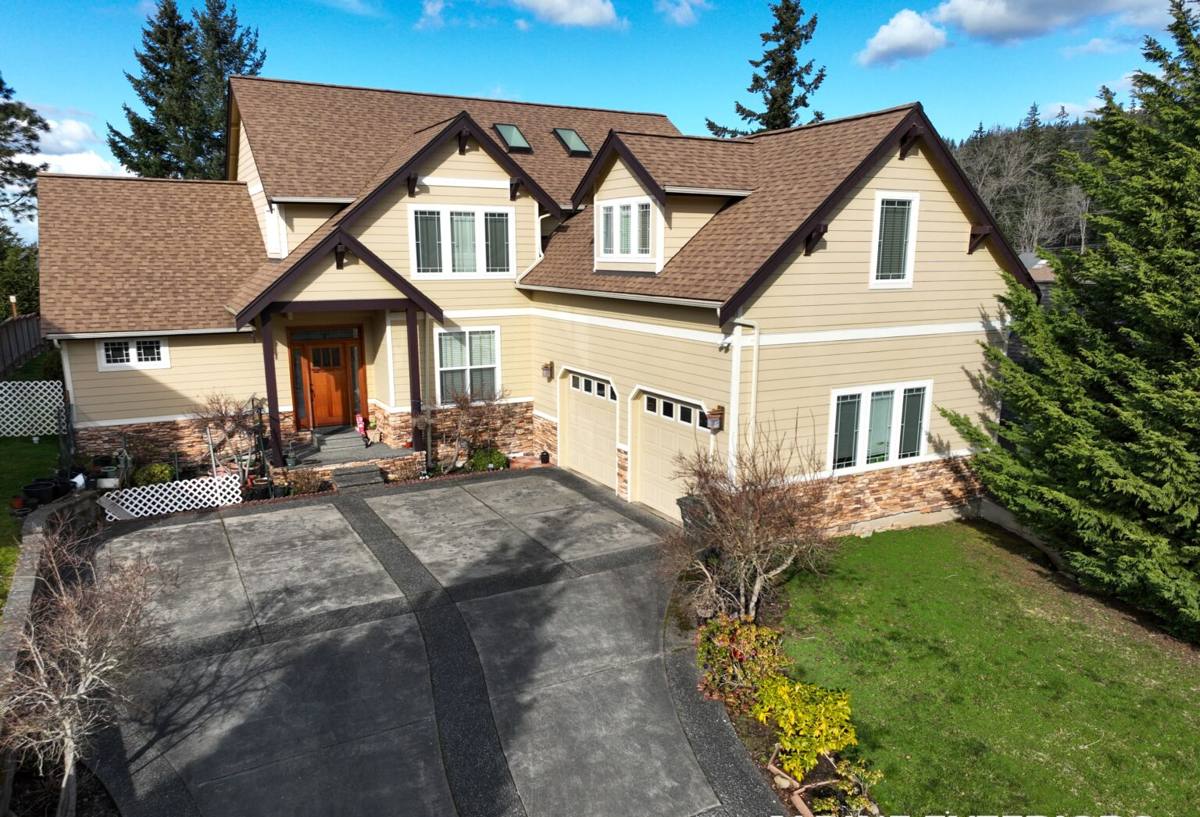
What Salt Air, Rain, and Moss Actually Do to a Deck
Salt air and corrosion
Homes closer to Bellingham Bay pick up airborne salt that accelerates corrosion on anything metal — nails, screws, joist hangers, bolts. A fastener rated for general outdoor use can start rusting from the inside out well before the wood around it fails, and once a fastener corrodes, it stops doing its job long before you can see it from the surface.
Driving rain and water intrusion
Rain that comes in sideways, which is common here, gets pushed into places vertical rain never reaches — behind ledger boards, under railing posts, into end grain at board cuts. A deck built for a climate with gentler rain patterns often skips flashing details that are non-negotiable here.
Moss and prolonged surface moisture
Moss doesn't just grow on roofs. Any horizontal wood surface that stays damp and shaded — north-facing decks, areas under tree cover, boards installed without enough of a drainage gap — will grow moss and algae. Beyond looking bad, moss holds moisture against the wood surface, which is exactly the condition that leads to rot and a slick, unsafe walking surface.
What a Deck Built for This Climate Needs to Get Right
- Footings poured to the correct frost depth and set on undisturbed or properly compacted soil
- A ledger board attached to the house with proper flashing that sheds water outward, not into the rim joist
- Stainless steel or heavy hot-dip galvanized fasteners and hardware rated for coastal/corrosive exposure, not standard exterior-grade
- A consistent drainage slope away from the house, typically a small pitch built into the framing
- Board spacing sized to let water and debris pass through instead of collecting and holding moisture
- Joist tape or a similar barrier over framing lumber to slow water absorption at the most vulnerable point of the structure
- Railing and stair framing built to current code, not just "sturdy enough"
None of these are optional upgrades — they're the difference between a deck that needs board replacement in year six and one that's still solid at year twenty.
Choosing a Decking Material for Sehome's Conditions
There's no single "best" decking material — there's a best material for your budget, your maintenance appetite, and how much sun or shade the deck actually gets. Here's how the common options actually perform in this climate, not in a showroom.
| Material | Upfront Cost | Moss/Moisture Resistance | Maintenance | Typical Lifespan Here |
|---|---|---|---|---|
| Pressure-treated lumber | Lowest | Fair — needs sealing to perform | Annual cleaning + re-sealing every 2-3 years | 15-20 years with upkeep |
| Cedar | Mid-range | Good natural resistance, but surface still needs care | Cleaning + oil or sealant every 1-2 years | 15-25 years with upkeep |
| Composite decking | Highest | Very good — doesn't absorb moisture like wood | Periodic washing, no sealing/staining | 25-30+ years |
In practice, we see a lot of Sehome homeowners land on composite for main living decks — the upfront cost hurts more, but on a shaded or damp lot it removes most of the moss-and-mildew maintenance cycle entirely. Cedar still makes sense for homeowners who want the look of real wood and are willing to stay on top of care. Pressure-treated lumber remains a solid, honest choice for secondary structures or budget-driven projects, as long as it's sealed and re-sealed on schedule.
A note on why we're selective about low-end composite
Not all composite decking is built the same. Cheaper capless boards can absorb moisture at cut ends and swell over time in a climate this wet. Our standard is to use capped composite products with a warranty structure that actually covers moisture and staining, and to seal every cut end during installation — an extra step that gets skipped on rushed jobs but matters a lot in a place that sees this much rain.
The Structural Details Nobody Sees — Until They Fail
A deck's finish surface gets all the attention, but the framing underneath is what determines whether it's safe in ten years. Joist spacing, beam sizing, and post footings all need to be sized for your specific span and load — a deck that will hold a hot tub or a large gathering needs different engineering than a small entry deck, and that math doesn't change because a job is on a tight budget.
Ledger attachment deserves its own mention. It's the single most common point of catastrophic deck failure nationally, and it's almost always caused by inadequate flashing or lag bolts driven into rim joist material that can't support the load. In a driving-rain climate, a poorly flashed ledger doesn't just risk structural failure — it actively feeds water into your home's wall assembly, which turns a deck problem into a siding and framing problem.
Permits and Code for Whatcom County Properties
Most custom deck projects in Whatcom County require a building permit, particularly once a deck is attached to the house or elevated more than a modest height above grade. Requirements around footing depth, guardrail height, baluster spacing, and stair geometry are set by code, not preference, and they exist because deck failures and fall injuries are both common and preventable. We handle the permit submission and inspection scheduling as part of the job — it's not an upsell, it's part of doing the work correctly and leaving you with a deck that's actually documented and insurable.
How We Approach a Sehome Deck Project
- On-site assessment — we look at sun/shade exposure, existing drainage, soil condition, and how the deck ties into your home before quoting anything.
- Design and material conversation — layout, decking material, railing style, and budget, with honest trade-offs explained up front.
- Permit and engineering — drawings and permit submission handled for you, sized to your project's actual scope.
- Framing and footings — built to code frost depth and span requirements, with corrosion-resistant hardware throughout.
- Decking, railing, and finish work — installed with the drainage gaps, sealed cuts, and flashing details this climate requires.
- Final walkthrough — we go over maintenance expectations specific to your material and your lot's sun/shade exposure.
Living With Your Deck Through Moss Season
Even a well-built deck needs some seasonal attention here. What that looks like depends on material, but the pattern is the same for every deck in this region: moss season is when neglect shows up fastest.
- Sweep debris off the deck surface regularly in fall — wet leaves are one of the fastest ways to start a moss patch
- Check that drainage gaps between boards haven't filled with dirt or debris
- Look at railing post bases and stair stringers each spring for early signs of water staining or softness
- Re-seal wood decking on the schedule appropriate to that material — don't wait until it looks weathered
- Treat visible moss early with a wood-safe cleaner rather than letting it establish and hold moisture
- Have fastener heads and hardware checked periodically, especially on decks closer to the water where salt exposure is higher
Why It Matters That We Already Work in Sehome
A crew that's built decks elsewhere in the state and shows up for one Sehome job doesn't know which lots sit shaded most of the day, which areas catch the worst of the driving rain off the bay, or how much moss pressure a given yard actually sees. A crew that already works this neighborhood and the greater Sudden Valley area brings that judgment to your project before the first footing is dug — in the material recommendation, in where we add extra drainage detail, and in setting maintenance expectations that are actually accurate for your specific lot rather than generic.
If you're planning a new deck or replacing one that's showing its age, we're happy to come take a look and walk you through what your specific site needs — no pressure, no obligation. Reach out below for a free estimate.