 Sudden Valley
 Windows Built for Sunnyland's Weather, Not Just Its Openings
Sunnyland sits close enough to the water that salt-laden air, driving rain off the Sound, and a moss season that seems to stretch longer every year all work on a house's windows the same way they work on its siding and trim. Most of the homes in this neighborhood were framed decades before today's window products existed, which means "custom" isn't a marketing word here — it's a practical necessity. Openings are rarely square, trim profiles vary from block to block, and older houses often have settled just enough that a stock window won't seat right without real carpentry.
This page is about doing that job correctly in this specific setting: what Sunnyland homes actually need from their windows, what a correct installation involves, how we run the project from estimate to final walk-through, and why hiring a crew that already knows this neighborhood's houses matters more here than it would somewhere drier and more uniform.
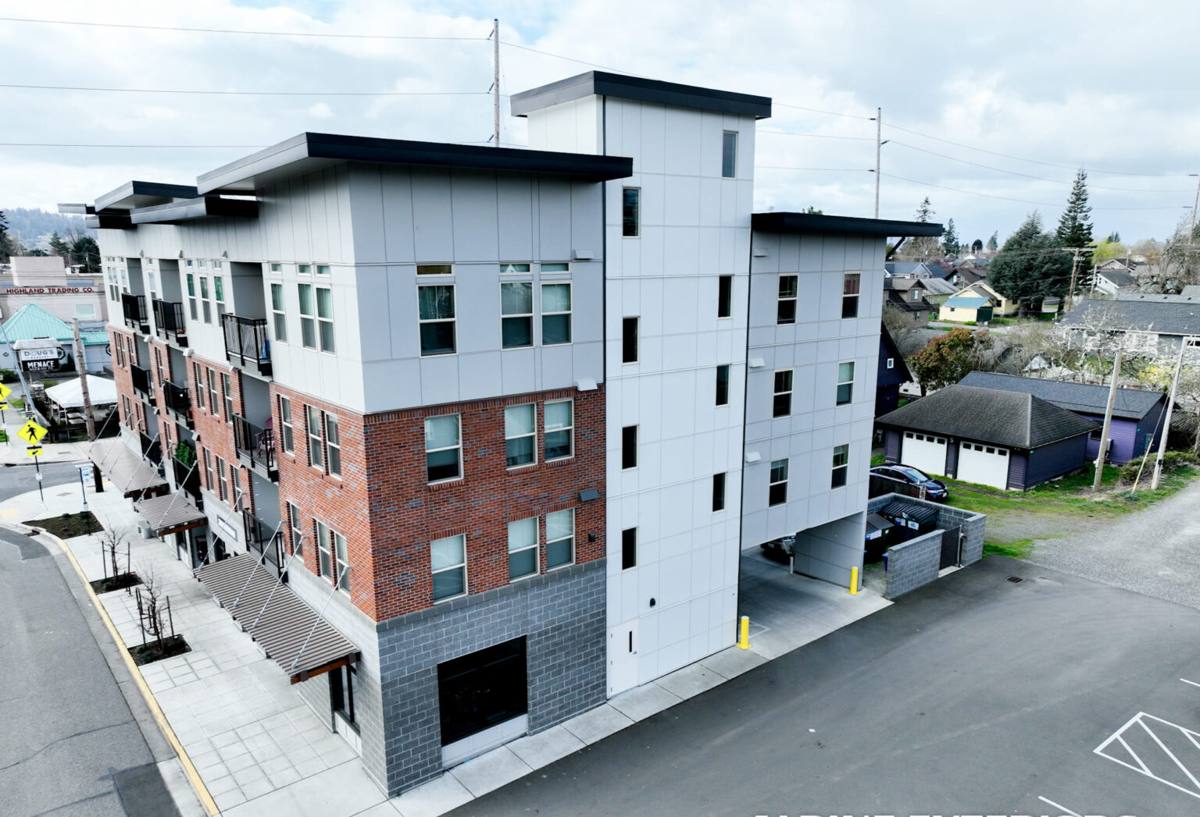
What "Custom" Really Means on a Sunnyland House
Custom window work covers more ground than picking a size off a shelf. On the older homes common to this part of Whatcom County, it usually means one or more of the following:
- Non-standard rough openings that require a window built to exact measurements rather than trimmed down from a stock size
- Matching existing trim, muntin patterns, or sightlines so a replacement doesn't look out of place next to original windows on the same wall
- Working around settled or slightly out-of-plumb framing without forcing a window into an opening it doesn't fit
- Coordinating window style with an addition, a converted porch, or a room that was reconfigured at some point after the house was built
- Specifying glass and frame combinations suited to a specific exposure — a north wall catching driving rain behaves differently than a sheltered south wall
None of that is exotic work, but it does require someone who measures twice, orders correctly, and isn't just swapping a box out of a warehouse.
Why the Local Climate Changes the Calculation
Salt air and hardware
Proximity to the water means airborne salt settles on everything, including window hardware, screen frames, and unprotected fasteners. Cheaper hardware corrodes faster here than it would inland, which shows up first as stiff locks and cranks, then as pitting on exposed metal. We spec hardware and fasteners with this in mind rather than defaulting to whatever is cheapest.
Driving rain and water management
Wind-driven rain doesn't just hit a window — it gets pushed sideways and upward into gaps that would never see water in a calmer climate. This is why flashing and sealing details matter more here than the window product itself. A premium window installed with poor flashing will leak. A mid-range window installed with correct flashing, sloped sills, and proper sealant will not.
The long moss season
Extended damp periods mean moss and algae get a foothold anywhere moisture sits — on sills, in corners, along poorly draining trim. Window details that trap water instead of shedding it will grow moss and, over time, rot the wood or trim around them. Correct sill pitch and drip caps aren't cosmetic; they're what keeps a window dry between rains.
Frame Material Options for This Neighborhood
There isn't one "right" material for every Sunnyland house — it depends on the home's age, style, and how exposed the wall is. Here's how the common options actually perform in this climate, in plain terms.
| Material | How it handles the local climate | Best fit |
|---|---|---|
| Vinyl | Doesn't rot or corrode; expands and contracts with temperature swings; seams and welds matter for weathertightness | Budget-conscious replacements, rentals, homes without strict trim-matching needs |
| Fiberglass | Very stable dimensionally, holds paint well, resists moisture-driven warping better than wood or vinyl | Homes where long-term low maintenance matters and budget allows it |
| Wood-clad | Real wood interior with a weather-resistant exterior cladding; needs correct flashing since cladding seams are a vulnerable point | Older or higher-end homes where interior wood trim and sightlines matter |
| Aluminum | Strong and slim-profiled but conducts heat and cold readily and can corrode faster near salt air without proper finish | Specific architectural styles or large picture windows where a thin frame is the priority |
We'll walk through which of these actually makes sense for your house and exposure rather than pushing one product line by default — that decision should follow the house, not a sales quota.
Why we're selective about what we install
We don't install every product on the market. Some window lines have maintenance burdens, moisture-handling weaknesses, or installation-sensitive designs that don't hold up well in a wet, salt-air climate over the long run. That's a professional judgment call on our end, not a knock on any specific brand — we'd rather steer a homeowner toward a product with a track record in this exact climate than sell something that looks good on paper and causes problems in year six.
Getting the Installation Right: The Part That Actually Prevents Leaks
The window unit itself is maybe a third of what determines whether it performs well here. The rest is installation detail:
- Opening prep. Remove the old unit, inspect the framing and sheathing underneath for rot or prior water damage, and repair anything compromised before a new window ever goes in.
- Flashing. Install flashing tape and pan flashing so that any water that does get behind the trim is directed back out, not into the wall cavity. This is the single most common point of failure in a bad installation.
- Sill pitch. The sill needs a slight outward slope so water sheds away from the house instead of pooling — pooled water is exactly what feeds moss and slow rot.
- Sealing. Proper sealant at the right joints, not sealant everywhere as a substitute for correct flashing. Over-caulking can actually trap water in the wrong places.
- Shimming and fastening. Shim the unit square and plumb regardless of whether the opening is, then fasten per the manufacturer's pattern so the window operates smoothly and the warranty stays valid.
- Interior and exterior trim. Finish trim to match the house, insulate the gap between the window frame and rough opening, and seal the interior air barrier.
Skipping or rushing any one of these steps is how a good window ends up with a bad reputation. It's rarely the product's fault.
Glass and Energy Performance
Glass selection affects comfort, condensation, and heating costs more than most homeowners expect. A few practical points for this climate:
- Low-E coatings help control heat loss through glass, which matters through a long, damp Whatcom County winter and shoulder seasons.
- Double-pane with argon fill is a solid, cost-effective baseline for most Sunnyland homes.
- Triple-pane adds meaningful performance and sound dampening but comes at a higher cost and added weight — worth it on some exposures, unnecessary on others.
- Condensation resistance matters more here than in a dry climate; a poorly performing glass package will fog or sweat on the interior during cold, wet stretches, which is a sign of heat loss, not a defect to ignore.
We'll match glass package to the specific wall and room rather than specifying the same glass across the whole house by default.
What the Project Looks Like From Start to Finish
Every custom window job runs through the same basic sequence, adjusted for the specific house:
- On-site assessment. We measure every opening individually, check framing condition, and look at exposure — which walls take the worst of the rain and salt air.
- Material and glass recommendation. Based on that assessment, not a generic package.
- Written estimate. Clear line items so you know what you're paying for — product, labor, disposal, and any framing repair if needed.
- Ordering and lead time. Custom sizes take longer than stock units; we'll give you a realistic timeline up front rather than an optimistic one.
- Installation. Typically one to a few windows per day depending on complexity, with the opening protected and weathertight at the end of each work day.
- Final walk-through. Operation check, seal check, and cleanup before we consider the job done.
What Affects the Cost
Custom window pricing varies more than people expect, mostly because "custom" covers a wide range of actual work. Broad cost drivers, without pretending to quote a number sight unseen:
| Factor | Why it moves the price |
|---|---|
| Window size and configuration | Larger units, bays, and multi-panel configurations cost more in both material and labor |
| Frame material | Vinyl is generally the most economical; fiberglass and wood-clad cost more upfront but may cost less over the window's life in maintenance |
| Glass package | Triple-pane and specialty coatings add cost over standard double-pane low-E |
| Framing repair | Rot or water damage found once the old window is out adds labor that couldn't be quoted before opening the wall |
| Number of windows | Doing a whole house at once is typically more cost-efficient per window than one-off replacements over time |
| Access and complexity | Second-story windows, tight trim details, or matching historic profiles take more labor time |
We give a real, itemized estimate after seeing the openings in person — not a phone quote based on square footage guesses.
Signs Your Current Windows Are Losing the Fight
Given how hard this climate is on windows, it's worth knowing what failure looks like before it becomes a bigger repair:
- Fogging or condensation between panes — the seal has failed and the insulating gas has escaped
- Soft or discolored wood trim around the frame, especially at the sill
- Moss or dark staining collecting at the bottom corners of the frame
- Drafts you can feel with a hand near the frame on a windy day
- Windows that stick, won't stay open, or are hard to lock
- Visible gaps between the trim and siding where sealant has cracked or pulled away
- A noticeable rise in heating costs without another obvious explanation
Any one of these on its own isn't necessarily an emergency, but a few together usually means the window and its surrounding details are past the point where patching makes sense.
Why Local Experience on This Specific Neighborhood Matters
A crew that's worked houses throughout Sudden Valley and the wider Whatcom County area already knows how the local building stock behaves — which eras of construction tend to have settled framing, which wall orientations take the worst weather, and what a correctly flashed window in this climate actually needs to hold up. That's not something you get from a national install crew rotating through on a subcontract, and it's not something a generic quote can capture. It shows up in fewer surprises during the job and fewer callbacks after it.
It also matters for something more basic: accountability. A contractor working in your neighborhood regularly has a reason to do the job right the first time, because reputation here travels between neighbors.
After Installation: Keeping New Windows Performing
Custom windows installed correctly should need very little from you, but a little seasonal attention goes a long way in this climate:
- Rinse salt residue and debris off frames and tracks a couple of times a year, especially on exposed sides of the house
- Check that weep holes on the sill stay clear so water can drain out
- Keep an eye on exterior caulking lines for cracking after a few years and touch up before gaps open
- Clear moss or debris off nearby trim and gutters so runoff isn't dumping extra water onto the window
If something does go wrong down the line — a seal fails, hardware corrodes, a drip shows up — a straightforward call to the crew that installed it beats starting from scratch with someone unfamiliar with the job.
If you're weighing custom windows for a Sunnyland home, we're glad to come take a look, measure the actual openings, and give you a straight, itemized estimate — no pressure, no generic phone quote. Use the form below to get started.