 Sudden Valley
 Window Replacement Built for Yew Street's Weather, Not Just Its View
Homes along Yew Street sit inside the Sudden Valley community in Whatcom County, where the weather pattern is consistent even when the seasons change: damp marine air moving off the water, long stretches of driving rain, and shaded lots that stay wet longer than open ground. That combination is hard on original or aging windows in specific, predictable ways — and it's why a window replacement here needs to be approached differently than the same job in a drier inland climate.
We're not talking about cosmetic upgrades. We're talking about the flashing, the sealants, the frame material, and the install sequence all being chosen and executed with Whatcom County's moisture load in mind. Get any one of those wrong and a brand-new window can leak, fog, or rot at the sill within a few wet seasons — the exact problem the homeowner was trying to fix in the first place.
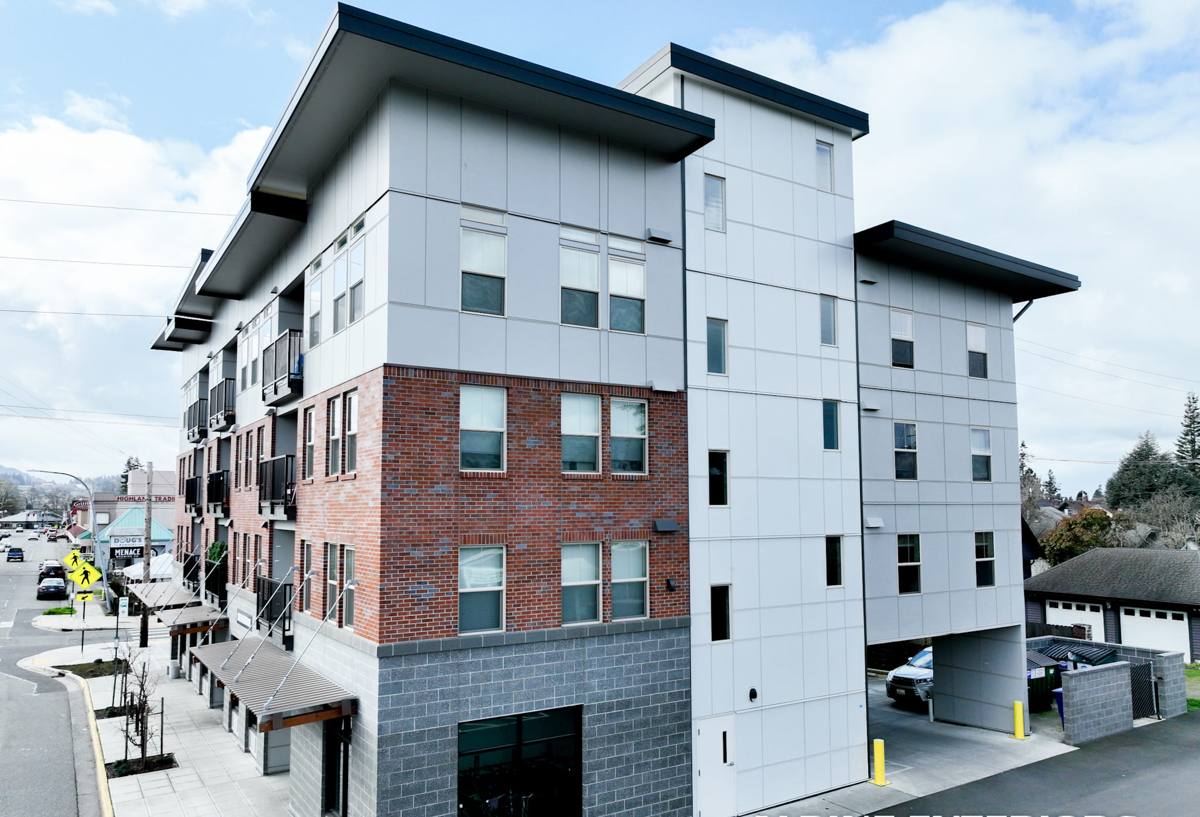
How the Local Climate Actually Wears Down Windows
Driving Rain and Wind-Driven Moisture
Wind off the water doesn't just drop rain straight down — it pushes it sideways into wall assemblies and window openings. Older window installs, especially ones done without proper flashing or a continuous weather-resistive barrier, let that wind-driven moisture work its way behind the trim and into the framing over time.
Long Moss and Mildew Season
Shaded, moisture-retentive lots around Sudden Valley grow moss and mildew on more than just the roof. It collects in window tracks, on sills, and in caulk lines that stay damp for days after a storm. Once organic growth gets a foothold in a sill or a frame seam, it holds moisture against the wood or vinyl and accelerates decay or seal failure.
Salt-Influenced Marine Air
The marine air common to this part of Whatcom County carries fine airborne salts and moisture that slowly degrade unprotected metal hardware, weep systems, and lesser-grade sealants faster than a dry inland climate would. Hardware and fasteners that aren't rated for coastal-adjacent exposure corrode years before they should.
Signs a Yew Street Home Needs Window Replacement — Not Just a Repair
- Visible fogging or moisture between the panes of a double- or triple-glazed unit — the seal has failed and can't be restored
- Soft, spongy, or discolored wood at the sill or bottom corners of the frame
- Windows that won't stay open, won't latch fully, or have visibly warped out of square
- Persistent moss, black mildew, or a musty smell concentrated right at the window opening
- A noticeable draft or cold spot at the frame edge even with the window fully closed
- Paint or finish that's bubbling, peeling, or chalking specifically around the window, not the rest of the wall
- Rising energy bills with no other explanation once the heating season sets in
If you're only seeing one or two of these and the frame is otherwise sound, a repair or reseal may still be the honest answer. We'll tell you that upfront rather than sell a full replacement a home doesn't need yet.
What a Correct Window Replacement Job Actually Involves
A window replacement is a moisture-management project first and a glass-and-frame upgrade second. In a climate like this one, skipping steps in the moisture-management side is exactly where failures start. A correct job includes:
- Full removal and inspection of the old opening — checking the sheathing and framing behind the old unit for hidden rot before anything new goes in
- Repair of any compromised framing or sheathing found during removal, not just installing over it
- A continuous, properly lapped flashing system at the head, jambs, and sill so water is shed outward and down, never trapped behind the trim
- Sill pan installation to catch and direct any incidental water that does get past the primary seal, out and away from the framing
- Correct integration with the home's weather-resistive barrier so the window ties into the wall's drainage plane instead of interrupting it
- Quality, climate-rated sealant at all exterior joints — not a generic caulk that hardens and cracks within a couple of wet seasons
- Proper shimming and squaring so the sash operates smoothly and the seals compress evenly for years, not just on install day
- Interior and exterior trim finish work that matches the home and seals the opening on both sides
Any one of these steps done poorly — especially the flashing and sill pan — can lead to a hidden leak that doesn't show up as a visible problem for a year or two, by which time it's a framing repair instead of a window job.
Choosing the Right Frame Material for This Climate
Not every window product on the market is a good fit for the moisture load and salt-influenced air this area sees. We install what holds up here, and we're upfront about the trade-offs of each option rather than pushing whatever has the best margin.
| Frame Material | How It Handles This Climate | Maintenance | Best Fit |
|---|---|---|---|
| Vinyl | Won't rot; handles moisture well; performance depends heavily on install quality | Low — occasional track cleaning | Most Yew Street homes, budget-conscious replacements |
| Fiberglass | Very stable in wet/dry cycling; strong resistance to warping | Low | Homes wanting long-term durability, willing to pay more upfront |
| Wood (unclad) | Handsome, but bare wood exposed to this much rain and moss needs constant upkeep | High — regular refinishing required | Historic or design-driven projects only, with eyes open on upkeep |
| Aluminum-clad wood | Good exterior protection, but clad seams and corners are where water intrusion risk concentrates if installed poorly | Moderate | Homeowners wanting a wood interior look with better exterior protection |
As a matter of our own installation standard, we're cautious with bare wood exteriors and clad products where the cladding seams aren't well protected — not because the material is inherently bad, but because this climate exposes any weakness in the finish or the seam faster than a drier region would. We'll walk you through what we recommend for your specific opening and why.
Our Process for a Yew Street Window Replacement
1. On-Site Assessment
We look at each window opening individually — sun exposure, wind exposure, existing framing condition — rather than quoting a blanket number for the whole house sight unseen.
2. Honest Scope and Estimate
You'll get a written estimate that separates the window units themselves from any framing or sheathing repair that turns up, so there are no surprise change orders mid-project.
3. Weather-Aware Scheduling
Openings are exposed to the elements during a replacement. We schedule around Whatcom County's rain patterns and stage the work opening-by-opening rather than tearing out multiple windows at once in unpredictable weather.
4. Installation to the Standard Above
Flashing, sill pans, weather-barrier integration, and sealant — done the same way on every job, not just the ones someone happens to be watching.
5. Final Walkthrough
We check operation, seal, and finish with you before calling the job done, and explain what basic upkeep the new windows will need going forward.
Why a Crew That Already Works Sudden Valley Matters
A window replacement is only as good as its integration with the specific wall assembly, siding type, and drainage plane on that specific home — and those details vary house to house even within the same neighborhood. A crew that already works Yew Street and the broader Sudden Valley area has seen how local homes were originally built, what siding and trim details are common in the community, and where past installs in this climate tend to fail. That familiarity shows up in fewer surprises during removal and a tighter, more predictable install — not in anything flashy, just in the job going the way it's supposed to the first time.
It also means a shorter drive for warranty callbacks or a quick recheck after the first hard rain of the season, instead of waiting on a crew that has to travel in from outside the county.
What Drives the Cost of a Window Replacement Here
| Factor | Why It Matters |
|---|---|
| Number and size of openings | More or larger windows means more material and labor hours |
| Frame material chosen | Vinyl, fiberglass, and clad-wood carry different unit costs |
| Condition of existing framing | Hidden rot found at removal adds repair scope before the new window can go in |
| Glass package | Double vs. triple pane, and low-E or gas-fill options, change performance and price |
| Access and staging | Second-story or tight-access openings take longer to work safely |
| Trim and finish work | Matching existing interior/exterior trim profiles adds labor over a bare install |
We won't quote a per-window number without seeing the actual openings — anyone who does that over the phone is guessing, and on a home with any hidden moisture damage, guessing gets expensive for the homeowner later.
Keeping New Windows Performing Through Whatcom County Winters
- Clean window tracks and weep holes each fall before the heavy rains start, so water has a clear path out
- Check exterior caulk lines once a year for cracking or gaps and have them touched up promptly
- Keep gutters and downspouts clear so runoff isn't sheeting directly down onto window heads
- Trim back vegetation that's shading windows and keeping the trim damp longer than it needs to be
- Address any new soft spots or paint failure at a sill immediately — it's far cheaper to catch early
A correctly installed window in the right material, maintained like this, should give a Sudden Valley home many years of trouble-free service before it needs attention again.
If you're weighing a window replacement for a Yew Street home, we're glad to come take a look, point out anything a repair could still handle, and give you a straight, no-pressure estimate for the rest. Use the form below to get started.