 Sudden Valley
 Two Neighborhoods, One Set of Deck Problems
Edgemoor and Sudden Valley don't look much alike. Edgemoor sits close to open water on the Bellingham side, with homes that catch marine air straight off the bay. Sudden Valley sits back against Lake Whatcom, ringed by fir and cedar cover that keeps yards shaded and damp for long stretches of the year. Different settings, but the same result for an outdoor deck: constant moisture exposure, slow drying times, and materials and hardware that have to be chosen with the actual site in mind, not a generic spec sheet.
We build custom decks for both types of lots. A deck that holds up on an open, sun-exposed slope isn't built the same way as one tucked under a tree canopy forty feet from the water. The framing, the fastener grade, the decking material, and even the gap spacing between boards all get adjusted based on which problem we're solving for.
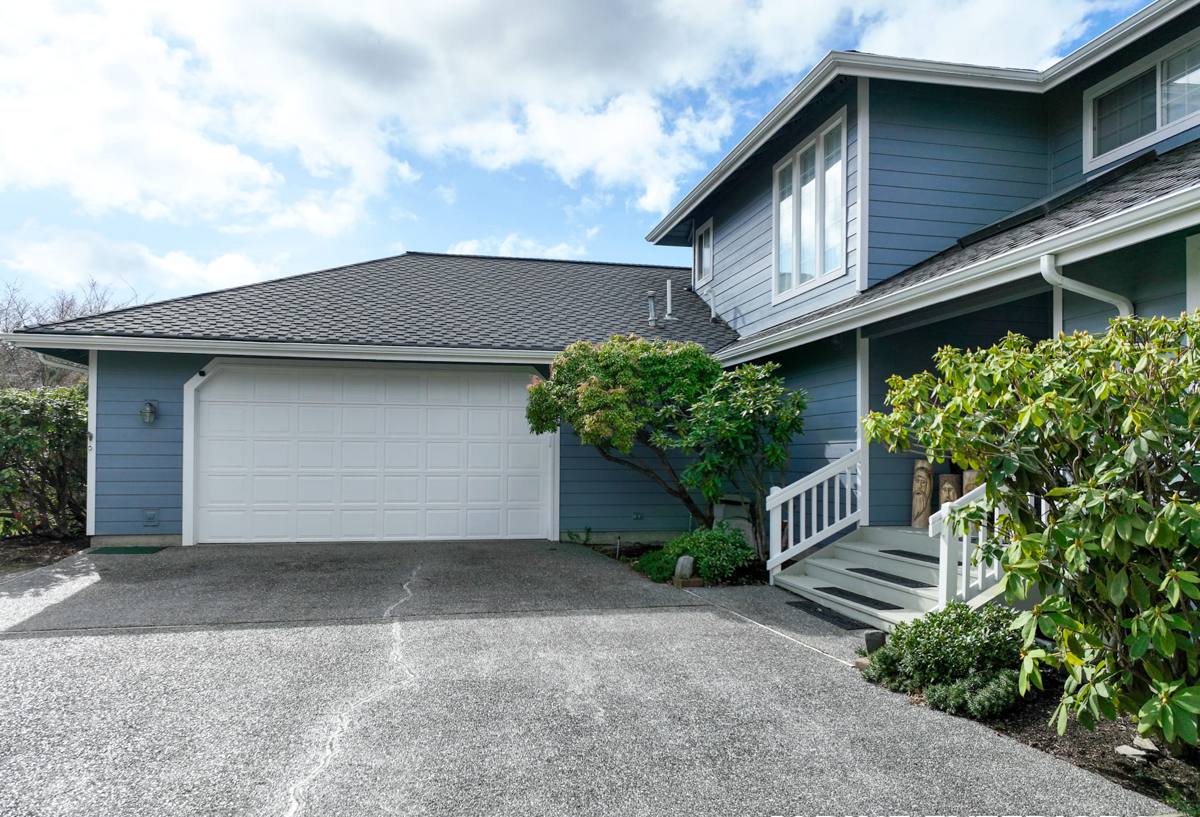
What Whatcom County's Climate Actually Does to a Deck
Salt Air and Slow Corrosion
Homes closer to open water deal with airborne salt that settles on any exposed metal. It's not sudden damage — it's a slow, steady process that shows up first as rust bleed around screw heads and fastener plates, usually a couple of years in, long after the crew that used the wrong hardware has moved on. Standard galvanized fasteners are not enough this close to the water. We spec stainless steel or marine-grade coated fasteners and connectors on any deck within reach of salt air, full stop.
Moss, Shade, and Standing Moisture
On tree-covered lots, the issue is different: moss and algae growth on decking boards, especially on the north side of the house or under heavy canopy where the sun never quite dries things out. Moss holds moisture against the wood surface, which accelerates rot in untreated or poorly sealed lumber and makes boards slick and dangerous underfoot. This is a year-round concern here, but it gets worse through the long wet stretch from fall through spring when boards can stay damp for days at a time.
Driving Rain and the Ledger Board
Whatcom County doesn't just get rain — it gets driving, wind-pushed rain that finds its way into any gap in flashing or siding. The single most common point of failure we find on older decks is the ledger board connection, where the deck framing attaches to the house. If that flashing was skipped or done poorly, water gets behind it and rots the house band board and deck ledger from the inside, often invisibly until the deck itself starts to feel spongy or pull away from the wall.
Choosing a Decking Material for This Climate
There's no single "best" decking material — there's a best material for your site, your budget, and how much upkeep you're willing to do. Here's how the common options actually perform under Whatcom County conditions:
| Material | Upfront Cost | Moss & Mildew Resistance | Maintenance | Best Fit |
|---|---|---|---|---|
| Pressure-treated pine | Lowest | Fair — needs sealing to perform | Annual cleaning and re-sealing | Budget-focused projects, sunnier lots |
| Cedar | Moderate | Good, naturally rot-resistant | Periodic oil or stain to hold color and grain | Homeowners who want a natural wood look and don't mind upkeep |
| Tropical hardwood (e.g. ipe) | High | Very good, dense and slow to absorb moisture | Low, occasional oiling for color | Long-term durability in shaded or wet-prone spots |
| Composite decking | Moderate to high | Good to very good depending on brand and boardstock | Low — washing, no sealing or staining | Homeowners who want to spend less time on upkeep |
Composite has come a long way, but it's not immune to moss — algae can still grow on the surface of any decking material in a shaded, damp spot, composite included. The difference is that composite doesn't rot underneath the growth the way untreated wood can. We'll walk you through the honest tradeoffs for your specific lot rather than push whatever's easiest for us to install.
The Structural Details That Actually Matter Here
Footings Below Frost and Water Table
Footing depth has to account for both frost and, on lower lake-adjacent lots, seasonal groundwater. We size and set footings to local code requirements rather than guessing at a standard depth, because a footing that's fine on a dry upland lot can shift or heave on a lot with poor drainage.
Ledger Flashing Done Right
This is the detail we mentioned above, and it's worth repeating because it's the one corner most commonly cut. Proper ledger flashing means integrating the flashing with the house's existing weather-resistive barrier and siding, not just caulking a strip of metal to the wall. Done right, water sheds past the connection entirely instead of finding a way behind it.
Hardware Rated for the Exposure You Actually Have
We match fastener and connector grade to the site: stainless or heavy marine-coated hardware for anything with salt air exposure, and properly rated coated fasteners compatible with whatever treated or naturally durable wood is used elsewhere. Mixing incompatible metals (some treated lumber chemicals corrode standard galvanized fasteners faster than expected) is a mistake that shows up as failure years down the road, not on install day.
Permits, Codes, and HOA Review
Most new or substantially rebuilt decks in Whatcom County require a building permit, and any deck with a walking surface more than about 30 inches above grade needs a code-compliant guardrail. Framing spans, footing sizes, and attachment methods all have to meet current code, which is one reason a "just replace the boards" job on an old deck sometimes turns into a bigger conversation about the framing underneath.
If your property sits inside a homeowners' association — which is common for lots in and around Sudden Valley — plan on an architectural review step before construction starts. Requirements vary by association and can cover things like decking material, railing style, or how visible the structure is from the water or a shared road. We handle the permit application and can help prepare what's needed for association review, but we'd rather flag that step early than have it hold up a project halfway through.
Our Process, Start to Finish
- Site visit and assessment — we look at sun exposure, drainage, tree cover, proximity to water, and the condition of anything the new deck will attach to.
- Design and material selection — layout, decking material, railing style, and hardware grade are chosen for your specific site, not a standard package.
- Permit and, if applicable, HOA submission — we prepare and file what's required before any construction begins.
- Framing and structural work — footings, ledger attachment and flashing, and framing built to the design and current code.
- Decking, railing, and finish work — boards, railings, stairs, and any sealing or finishing the chosen material requires.
- Final walkthrough — we go over the finished deck with you, including what maintenance it will need and when.
Maintenance That Actually Keeps a Deck Sound Here
A well-built deck in this climate is not a "set it and forget it" structure. A short annual routine catches problems while they're still cheap to fix:
- Sweep off fallen needles, leaves, and debris regularly, especially under tree canopy where they trap moisture against the boards
- Check and clear gaps between boards so water and debris don't build up and hold moisture against the framing
- Treat moss and algae growth as soon as it appears rather than waiting for it to spread
- Re-seal or re-stain wood decking on the schedule the material calls for, not just when it looks faded
- Inspect the ledger board connection and any visible flashing once a year for signs of water staining or gaps
- Check fasteners and railing connections for rust bleed or looseness, particularly on lots closer to open water
Why Hire a Crew That Already Works Edgemoor and Sudden Valley
A lot of deck problems we get called to fix didn't come from bad intentions — they came from a crew that builds mostly in drier inland areas applying that same approach here. Fastener grade, ledger flashing, and material choice all need to be adjusted for salt air, shade, and sustained wet weather, and that adjustment only happens if the crew has actually worked these conditions before. We've built and repaired decks across both the water-exposed and tree-covered lots in this part of Whatcom County, and we spec hardware and materials based on what actually holds up here, not what's easiest to order.
If you're planning a new custom deck or need an honest look at what an existing one needs, we're glad to come out, walk the site, and give you a straight assessment — no pressure, no obligation. Use the form below to request a free estimate.