 Sudden Valley
 Why Silver Beach Roofs Wear Differently
Silver Beach sits close to the water, and that changes what a roof deals with over the course of a year. Moisture-laden air moves through Whatcom County for much of the fall, winter, and spring, carrying a faint salt tang off the Sound that settles on exposed metal, fasteners, and flashing. Add driving rain that comes in sideways during winter storms and shade from mature evergreens common in this part of the neighborhood, and you get roofs that stay damp longer than roofs just a few miles inland. That combination is exactly what moss, algae, and slow-moving leaks feed on.
None of this means Silver Beach roofs fail faster because the materials are bad. It means the roof has to be built and maintained with those specific conditions in mind — correct underlayment, correct ventilation, and a moss strategy that starts at installation, not two years later when the streaks show up.
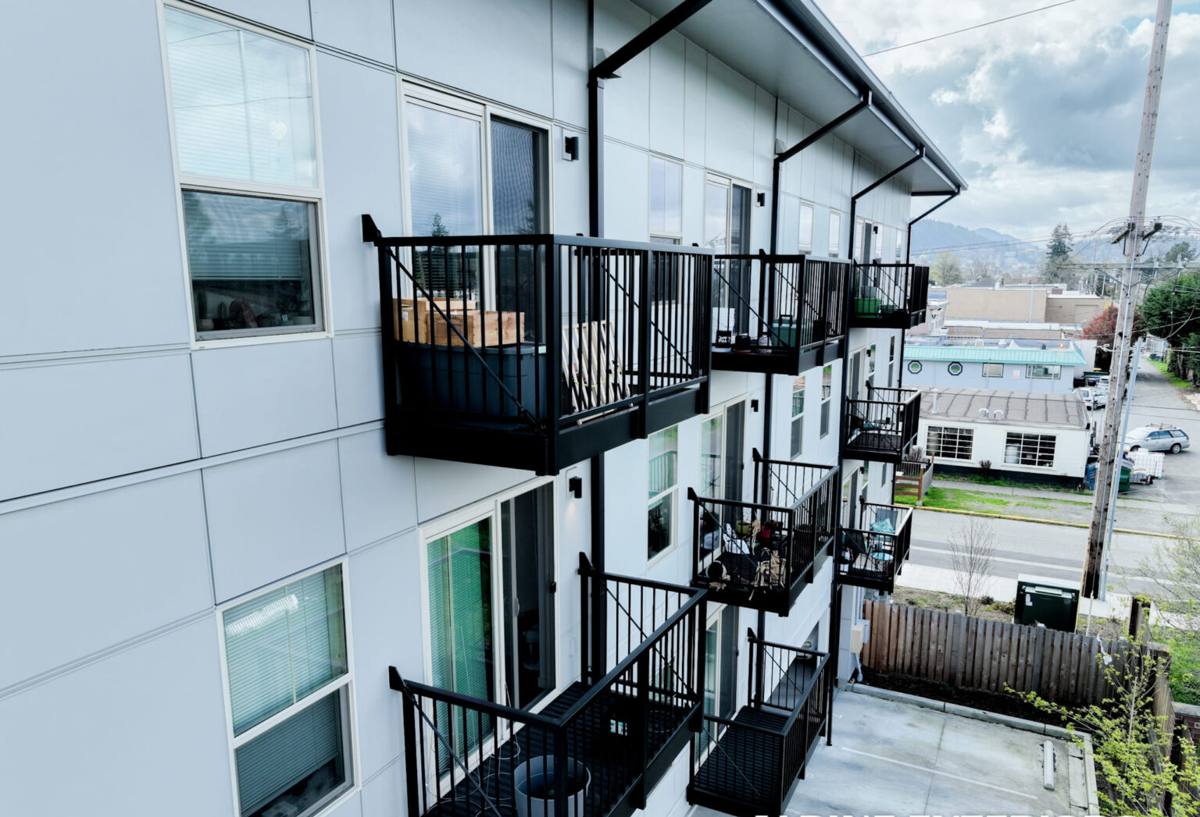
Signs a Silver Beach Roof Is Due for Replacement
Roofs in this area rarely fail all at once. They show a pattern of small problems that add up. Worth a closer look if you're seeing any of the following:
- Granules collecting in gutters or at downspout outlets, especially after a hard rain
- Shingles that are cupping, curling at the edges, or visibly thinner than the rest of the field
- Moss established in the shaded, north-facing slopes or anywhere debris collects
- Dark streaking that keeps coming back within months of being cleaned
- Soft spots in the decking felt through the roof, or sagging visible from the ground
- Daylight or water staining in the attic near valleys, chimneys, or plumbing vents
- A roof that's 18–25 years old and has never had a full tear-off
Any one of these on its own might just mean a repair. Two or three together, especially on an older roof, usually mean the roof is past the point where patching is the cost-effective answer.
What a Correct Roof Replacement Actually Involves
Tear-Off and Deck Inspection
We remove the existing roofing down to the deck rather than layering over it. That's the only way to see what's actually happening underneath — soft or delaminated plywood, rot around old flashing, or ventilation gaps that have been hidden for years. Any damaged decking gets replaced before anything new goes down. Skipping this step is the single most common shortcut that leads to a roof failing early, and it's not one we take.
Underlayment and Flashing
Given how much wind-driven rain this area sees, underlayment choice matters more here than it does in drier parts of the state. We use synthetic or self-adhered underlayment in vulnerable areas — valleys, eaves, around penetrations — because it resists wind-driven water intrusion far better than older felt products. Flashing at chimneys, skylights, walls, and valleys gets replaced, not reused, and sealed to shed water rather than just cover the gap.
Moss and Algae Strategy
On a roof with shaded slopes or overhanging trees, we typically install zinc or copper strips near the ridge on the sections most prone to moss. Rain washes trace metal ions down the roof face, which discourages new moss growth for years. It's not a substitute for keeping the roof clear of debris, but it meaningfully cuts down how often that debris becomes a problem.
Ventilation
A roof that can't breathe traps moisture in the attic, which shortens the life of the decking and the shingles from underneath — often before any problem is visible from the outside. We check intake and exhaust ventilation as part of every replacement and correct it where it's insufficient, which is common on homes built before current ventilation standards were standard practice.
Choosing the Right Material for This Location
There's no single "best" roofing material — the right choice depends on your roof's shade exposure, your budget, and how long you plan to own the home. Here's how the common options compare for a shaded, moisture-prone lot like many in Silver Beach:
| Material | Moss/Algae Resistance | Wind-Driven Rain Performance | Typical Lifespan | Relative Cost |
|---|---|---|---|---|
| Standard 3-tab asphalt | Low — needs regular cleaning | Fair | 15–20 years | Lowest |
| Architectural (dimensional) asphalt | Moderate, better with algae-resistant granules | Good | 25–30 years | Moderate |
| Standing seam metal | High — sheds moss and debris well | Excellent | 40–50+ years | Higher upfront |
| Composite/synthetic shake | Moderate to high | Good | 30–40 years | Higher |
Cedar shake has a long history in this region and still has appeal, but on a shaded, damp lot it demands more upkeep than most homeowners want to sign up for — regular treatment and closer inspection to manage moisture retention in the wood itself. We'll install it if that's what a homeowner wants and the site allows it, but for most shaded Silver Beach roofs we steer people toward architectural asphalt or metal, because both hold up with less maintenance burden over the life of the roof.
Our Replacement Process, Start to Finish
- On-site inspection. We walk the roof and the attic, not just look from the ground, and check for the shade patterns, drainage paths, and ventilation issues specific to your lot.
- Written estimate. A clear scope and price, with material options laid out so you're comparing real numbers, not vague ranges.
- Scheduling around the weather. We plan installs for stretches of dry weather where possible and have a plan for protecting an open roof deck if conditions turn.
- Tear-off and deck repair. Full removal, deck inspection, and any needed repairs before new materials go down.
- Underlayment, flashing, and ventilation correction. The parts that don't show but determine whether the roof actually performs.
- New roofing installation. Installed to manufacturer specification, which is what keeps the material warranty valid.
- Cleanup and final walkthrough. Site cleared of debris and nails, with a walkthrough so you know what was done and what to watch for going forward.
What Drives the Cost
Every roof is priced on its own specifics, but the factors that move the number are consistent:
| Factor | Why It Matters |
|---|---|
| Roof size and number of stories | More area and harder access mean more material and labor time |
| Roof pitch and complexity | Steep roofs and multiple valleys/dormers take longer and require more safety setup |
| Deck condition | Rotted or soft decking found during tear-off adds material and labor to replace it properly |
| Material choice | Asphalt, metal, and composite products carry very different material costs |
| Existing layers | Removing multiple old layers costs more than a single-layer tear-off |
| Ventilation and flashing corrections | Bringing older systems up to current standards adds scope but prevents future problems |
We don't publish a flat per-square rate because it isn't honest — two roofs the same size can cost meaningfully different amounts once pitch, access, and deck condition are factored in. That's why every job starts with an actual inspection rather than a phone quote.
Why It Matters to Hire a Crew That Already Works This Area
A roofing crew that works Silver Beach and the broader Sudden Valley area regularly already knows which slopes tend to hold moss, how the tree cover in shaded sections affects drying time, and what ventilation problems show up most often in homes of a given age here. That's not something you get from a crew driving in from outside the county for a one-off job. It shows up in small decisions — where we place moss-control strips, how much attic ventilation we recommend, which underlayment we use in valleys — that add years to a roof's service life without adding much to the cost.
It also matters for accountability. A local contractor is still around next year and the year after, which is worth something on a system meant to last decades.
After the Install: Keeping a Silver Beach Roof Healthy
A correctly installed roof still needs basic upkeep in this climate. A short annual routine goes a long way:
- Clear gutters and downspouts each fall before the heavy rain sets in
- Remove branches and debris from shaded slopes where moss is most likely to establish
- Have zinc/copper strips checked periodically — they wear down over years and can be refreshed
- Walk the attic once a year looking for staining, daylight gaps, or musty odor
- Address any missing or lifted shingles promptly rather than waiting for the next inspection
None of this requires a professional visit every time, but a quick annual look — by you or by us — catches small issues while they're still small.
If your Silver Beach roof is showing its age or you just want an honest read on how much life it has left, we're glad to come take a look. The estimate is free, there's no pressure to move forward, and you'll get a straight answer about what your roof actually needs — use the form below to get started.