 Sudden Valley
 Siding Replacement in Cordata: What This Climate Demands
Homes in the Cordata area deal with a specific combination of weather that most siding products were never designed around: salt-laden air moving in off the water, long stretches of driving rain, and a moss season that can run most of the year in shaded, north-facing spots. Siding replacement here isn't just a cosmetic project — it's the point at which a home either gets a wall system that can shed water and resist rot for decades, or gets a repeat of whatever problem sent the old siding into early failure. This page is about doing that job right, specifically for homes in this part of Whatcom County.
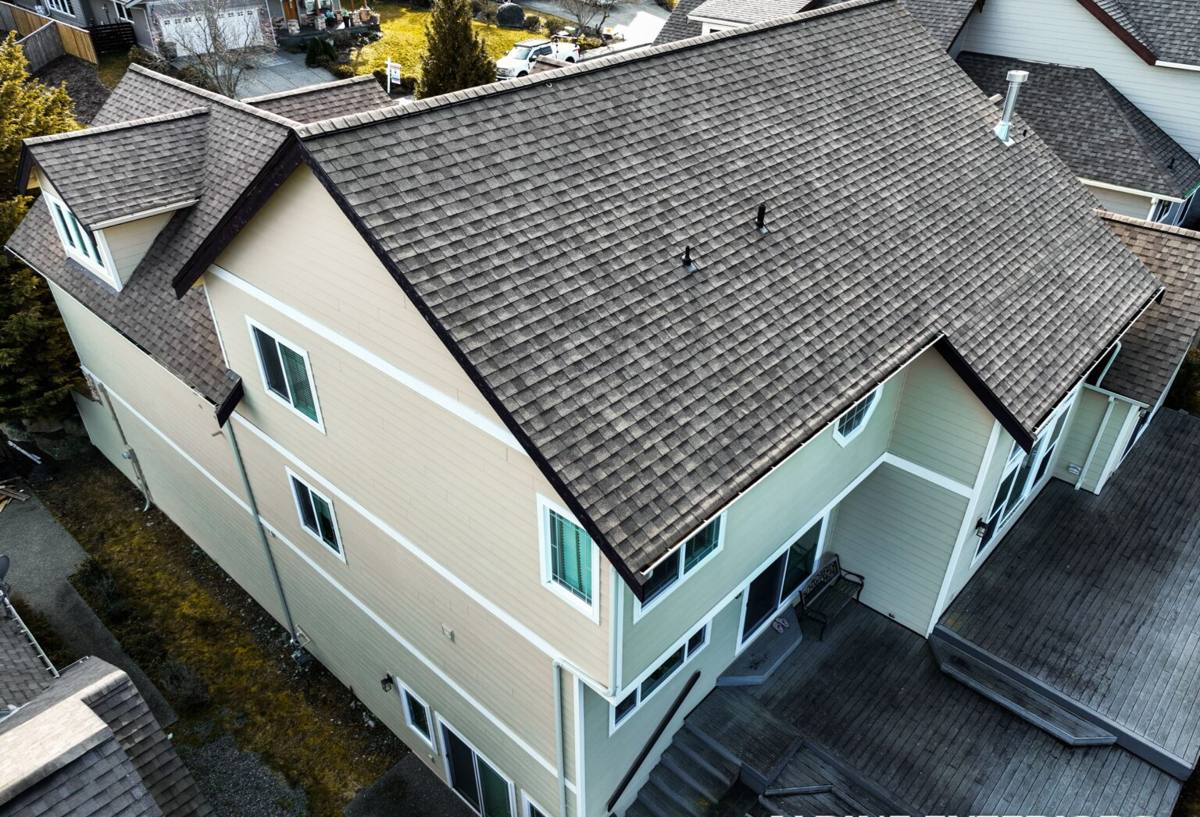
How Cordata's Weather Wears Down Siding Over Time
Salt Air and Coastal Moisture
Even a few miles inland, coastal air carries fine salt particles that settle on exterior surfaces and accelerate corrosion of fasteners, flashing, and metal trim. On siding materials with painted or coated surfaces, that salt film also holds moisture against the surface longer than it would in a dry climate, which speeds up finish breakdown, chalking, and paint failure at seams and butt joints.
Driving Rain and Wind-Driven Water
Whatcom County doesn't just get rain — it gets rain pushed sideways by wind off open water and exposed terrain. That matters because siding isn't actually the primary waterproofing layer on a house; it's the first line of defense in front of a water-resistive barrier and flashing system. Driving rain finds every gap in caulking, every under-lapped seam, and every place where flashing was skipped to save time. Over years, that's how water gets behind siding and into sheathing without ever showing an obvious leak.
Shade, Moss, and Algae
Mature tree cover and long overcast stretches keep north- and east-facing walls damp for days after a storm passes. That's exactly the environment moss and algae need to establish, and once they take hold on a wall they hold additional moisture against the siding surface around the clock. On materials that aren't dimensionally stable or that absorb water into the substrate, that constant dampness is what eventually turns into swelling, soft spots, and rot — often starting at the bottom courses and around trim before it's visible from the street.
Signs Your Cordata Home Is Due for Siding Replacement
Some of these show up gradually enough that homeowners get used to them before recognizing what they mean. Worth checking for before deciding whether a repair or a full replacement is the right call:
- Soft or spongy spots when you press on siding, especially near the bottom courses or under windows
- Visible warping, bowing, or buckling panels, particularly on shaded or north-facing walls
- Paint that's peeling, bubbling, or failing repeatedly in the same spots despite repainting
- Persistent moss or algae growth that comes back within a season of cleaning
- Cracked or crumbling caulking at seams, corners, and trim joints
- Rising energy bills that track with drafts or cold walls, suggesting the water-resistive barrier or insulation behind the siding has been compromised
- Visible rot, staining, or discoloration around window and door trim
- Siding that's original to a home built more than 20-25 years ago, especially wood-based products
What a Correct Siding Replacement Actually Involves
Full Tear-Off and Sheathing Inspection
A proper siding replacement starts with removing the old siding entirely, not covering over it. That's the only way to actually inspect the sheathing and framing underneath for water damage, soft spots, or rot that the old siding was hiding. Any damaged sheathing gets identified and replaced before anything new goes up — skipping this step is how a beautiful new exterior ends up sitting on a compromised wall.
Water-Resistive Barrier and Flashing Details
Behind the visible siding, a correctly installed water-resistive barrier and properly integrated flashing at every window, door, and penetration is what actually keeps driving rain out of the wall assembly. This is the part of the job that never shows up in a finished photo but matters more than the siding brand on the outside. Flashing that laps the wrong direction, or housewrap that's taped incorrectly, will let water in regardless of what's nailed over it.
Installing James Hardie Fiber Cement Correctly
James Hardie fiber cement siding has to be installed to the manufacturer's specifications to perform the way it's engineered to — correct nailing patterns, proper clearances from grade and roof lines, and factory-cut or properly sealed field cuts so the fiber cement core isn't left exposed to moisture. Done right, it gives Cordata homes a siding system that doesn't rely on paint film alone to keep water out, and that stands up to salt air and repeated wet-dry cycles far better than materials that depend on a surface coating for protection.
Why We Install Only James Hardie Fiber Cement
We install James Hardie exclusively — not vinyl, not LP SmartSide, not cedar or primed spruce, not other fiber cement brands. That's a deliberate standard, not a sales preference. In a climate with this much sustained moisture exposure, the material differences below are the ones that actually show up on a house ten and twenty years later.
| Factor | James Hardie Fiber Cement | Vinyl Siding | Wood / Engineered Wood |
|---|---|---|---|
| Moisture behavior | Non-combustible core, engineered to resist moisture-related swelling and rot | Doesn't rot, but can warp and gap under heat and wind stress, opening water paths | Absorbs moisture; prone to swelling, rot, and delamination if the surface fails |
| Moss/algae resistance | Dense, stable surface resists the constant damp that feeds growth | Growth sits on the surface but can trap moisture at seams | Porous surface holds moisture, feeding sustained moss and algae growth |
| Salt air durability | Factory ColorPlus finish is baked on and resists salt-driven fading and chalking | Can become brittle and discolor over years of coastal UV and salt exposure | Painted finish is the only real barrier; salt air accelerates paint failure |
| Maintenance | Occasional washing; repaint not required for the life of the ColorPlus finish | Low maintenance but limited repair options once damaged or faded | Regular repainting and caulking needed to keep moisture out |
| Fire performance | Non-combustible fiber cement | Combustible material | Combustible material |
| Warranty structure | Long, transferable manufacturer warranty when installed to spec | Varies by product line and installer | Varies; finish warranty is separate from the material itself |
None of these other materials are junk — vinyl is inexpensive and wood has a look some homeowners want. But for the specific combination of salt air, wind-driven rain, and moss exposure that Cordata homes deal with, we'd rather stand behind one product system we know performs than install something we'd have to caveat.
Our Siding Replacement Process
- On-site inspection and estimate — we look at the current siding, trim, and any visible signs of moisture damage before quoting anything, so the estimate reflects your actual house, not a generic square-footage number.
- Product and color selection — choosing the right James Hardie plank profile, texture, and ColorPlus finish for the home's style and exposure.
- Scheduling around the weather — tear-off and install work is planned around drier stretches where possible, since an open wall shouldn't sit exposed to driving rain longer than necessary.
- Tear-off and sheathing check — old siding comes off, sheathing gets inspected, and any damaged material is repaired or replaced before moving forward.
- Water-resistive barrier and flashing installation — the part of the job that determines whether the wall actually stays dry for the next several decades.
- Siding installation to manufacturer spec — correct fastening, clearances, and joint treatment throughout.
- Final walkthrough — trim, caulking, and paint lines are reviewed with you, and warranty paperwork is provided.
What Affects the Cost of Siding Replacement in Cordata
Every home is different, but the same handful of factors drive most of the variation in price from one Cordata project to the next.
| Cost Factor | Why It Matters |
|---|---|
| Home size and number of stories | More surface area and taller walls mean more material and more time, plus added equipment needs for multi-story access |
| Condition of existing siding and sheathing | Hidden moisture damage found during tear-off adds repair scope that can't always be predicted before opening the wall |
| Trim and architectural detail | Homes with more corners, gables, and window trim take more time to flash and finish correctly |
| Site accessibility | Tight lot lines, slopes, or landscaping close to the house can affect staging and labor time |
| Siding profile and finish selected | Plank width, texture, and color options within the James Hardie line carry different material costs |
Why Local Experience in Cordata and Whatcom County Matters
A crew that already works this part of Whatcom County has seen how salt air, moss, and driving rain actually behave on specific wall orientations and roof lines — not in general, but on homes like the ones in this area. That translates into practical decisions: which walls need extra attention to flashing, when in the season it makes sense to schedule tear-off given the moss and rain patterns, and what level of moisture damage is typical to expect once old siding comes off a home of a given age. It also means a crew that's built relationships with local suppliers and can source James Hardie products without the delays that can come from working outside a normal service area.
Caring for Your New Siding After Installation
James Hardie fiber cement is low-maintenance, not no-maintenance. A periodic rinse to keep salt film and organic buildup from accumulating, keeping gutters clear so water isn't sheeting down walls, and an occasional look at caulking around windows and trim will keep the system performing the way it's designed to for the long haul. None of that is heavy upkeep — it's the difference between siding that looks the same in fifteen years and siding that starts showing its age early.
If your Cordata home's siding is showing any of the signs above, or you're just planning ahead, we're happy to take a look and give you a straightforward, no-pressure estimate. There's a form below to get started.