 Sudden Valley
 Board & Batten Siding in Sehome: A Style That Has to Earn Its Keep
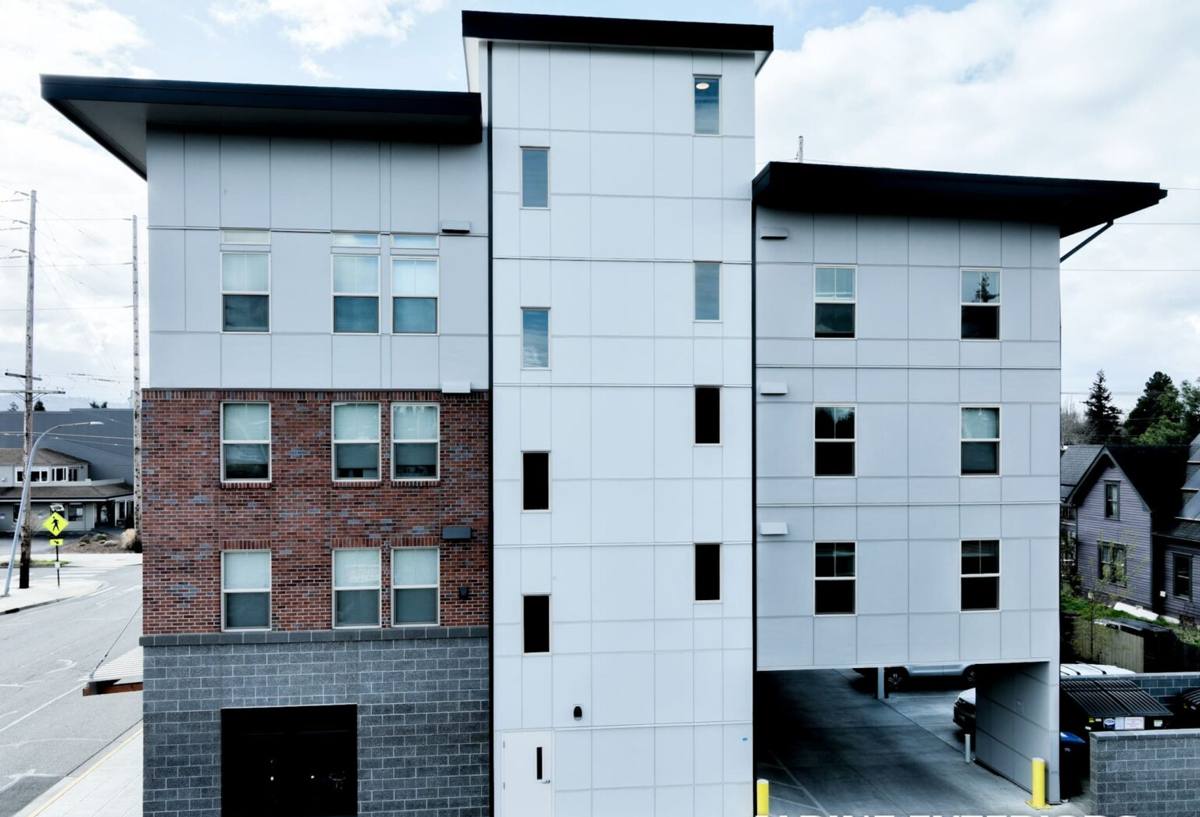
Board and batten shows up on a lot of homes in and around Sehome — farmhouse builds, craftsman remodels, modern infill, the occasional shop or accessory structure. The vertical lines read clean, the shadow lines from the battens give a house real depth, and it pairs well with the mix of traditional and newer construction you see through this part of Whatcom County. But board and batten is also one of the least forgiving siding profiles when it's installed wrong. The vertical seams, the batten-over-panel joints, and the exposed end grain at trim returns all create more opportunities for water to find a way in than a standard horizontal lap does. On a house near Sudden Valley, where the siding deals with salt-laden air, wind-driven rain, and months of damp shade every year, those details aren't cosmetic — they decide whether the siding lasts twenty years or needs rework in five.
A Look That Depends on What's Underneath It
Homeowners usually come to us because they like how board and batten looks. Fair enough — it's a good-looking profile. But the reason we'll spend more time than most contractors talking about drainage planes, fastener spacing, and flashing before we ever get to paint colors is that the visual appeal of board and batten is the easy part. The hard part, and the part that actually protects the house, is everything behind the boards that a homeowner never sees once the job is done.
What This Climate Actually Does to Vertical Siding
Whatcom County's marine climate is mild compared to a lot of the country, but "mild" doesn't mean "easy" on a building envelope. Three things specific to this area show up again and again on siding jobs we look at.
Salt Air and Slow Corrosion
Homes closer to the water deal with a steady, low-grade exposure to salt-laden air. It doesn't destroy anything overnight, but over years it corrodes the wrong fasteners, pits unprotected metal flashing, and breaks down finishes that weren't built to handle it. Board and batten has more exposed fastener heads and more metal trim transitions than a lot of siding styles, which means salt exposure has more places to work on.
Driving Rain
Storms coming through this part of the Pacific Northwest routinely bring rain in sideways, not straight down. That matters enormously for a vertical siding profile, because wind-driven rain gets pushed up and under laps and joints that would stay dry in a calm rain. Board and batten seams that aren't backed by a real drainage plane, or trim details that rely on caulk alone to stay watertight, are exactly the kind of assembly that fails under sustained driving rain — not from one bad storm, but from years of small amounts of water getting in and never fully drying out.
A Long Moss Season
Between the tree cover common around Sudden Valley and the number of overcast, damp months this area gets, moss and algae growth on siding is close to a given if the wall doesn't shed water well. Moss holds moisture against the surface, stains finishes, and on north-facing or shaded walls it can become a near-permanent resident if the siding material and finish aren't up to it. This is one of the more visible, ongoing maintenance realities of siding in this climate, and it factors directly into which material and which finish we're willing to put on a house.
What a Correct Board & Batten Installation Actually Involves
A board and batten job that's going to hold up here has to get several things right at once. Skipping any one of them is usually invisible on installation day and obvious five to ten years later.
The Drainage Plane Comes First
Before a single panel goes up, the wall needs a continuous weather-resistive barrier, properly lapped shingle-style so water sheds down and out rather than behind the barrier. On a lot of board and batten installs, we build in a rainscreen gap — a small air space between the back of the siding and the barrier — so that any moisture that does get past the surface has somewhere to drain and dry instead of sitting against the sheathing. Given how much wind-driven rain this area sees, this step isn't optional in our process.
Fastening and Batten Spacing
Panels need to be fastened into structural framing at the spacing and embedment the manufacturer specifies — not just wherever the sheathing happens to hold a nail. Batten spacing has to account for the width of the panels underneath so that each batten actually lands on a seam and does the job of covering it, rather than being placed for looks and leaving a seam exposed. Fasteners near the coast should be corrosion-resistant; this is one of the cheapest details in the whole job and one of the most commonly shortcut.
Flashing and Trim Details
Every horizontal trim piece, window head, and roof-to-wall transition is a place where water wants to get behind the siding. Kickout flashing where a roofline meets a wall, proper head flashing above windows and doors, and correct clearance between the bottom of the siding and the roofline, deck, or grade all matter more on a vertical profile because there are more transitions per square foot of wall than on horizontal lap siding.
Why We Only Install James Hardie for Board & Batten
We don't install LP SmartSide, vinyl board and batten, Cemplank, Allura, or raw wood board and batten. That's not a marketing line — it's a standard we've held to because of what board and batten specifically demands from a material in this climate.
Engineered for a Wet Climate
James Hardie manufactures its siding in climate-specific formulations, and the HZ10 product line is engineered for regions with more sustained moisture and humidity — which describes Whatcom County's marine climate accurately. Fiber cement itself doesn't absorb water the way wood-based products can, doesn't rot, and isn't a food source for the moss and mildew that thrive in this area's shaded, damp conditions. That combination matters more on board and batten than on almost any other profile, because the vertical boards and batten strips see more direct rain exposure per square foot than lapped horizontal siding.
ColorPlus Factory Finish
James Hardie's ColorPlus finish is baked on in a controlled factory environment rather than sprayed or brushed on site, which gives it better fade resistance and a stronger bond than field-applied paint — something that matters when a finish is going to sit in salt air and UV exposure for years. It also comes with a longer finish warranty than what you typically get from touch-up paint on wood or engineered wood siding. On a profile with as many exposed edges and seams as board and batten, a factory finish that holds its color and its seal matters more than it does on simpler siding styles.
What We're Not Willing to Install
Vinyl board and batten is affordable and low-maintenance in a lot of climates, but it can warp and its seams and trim pieces rely heavily on caulking, which needs upkeep to keep driving rain out. Engineered wood products like LP SmartSide use a wood strand core that, once the factory coating is compromised at a cut edge or fastener hole, is vulnerable to the moisture this climate delivers in volume. Raw or primed wood board and batten needs a paint and caulk maintenance cycle most homeowners underestimate, especially on a house dealing with salt air and a long wet season. We'd rather turn down installing those products than install something we don't believe will hold up on a Whatcom County exterior long-term.
Comparing Board & Batten Materials for This Climate
| Material | Moisture & Salt-Air Behavior | Maintenance | Typical Lifespan |
|---|---|---|---|
| Vinyl board & batten | Doesn't rot, but seams and caulk joints are the weak point in driving rain; can warp with heat/cold cycling | Low day-to-day, but caulk and trim need periodic attention | Roughly 20-30 years, often less on exposed elevations |
| Engineered wood (LP SmartSide) | Vulnerable once the factory coating is broken at cuts or fasteners; moisture exposure is the main failure point | Moderate — cut edges and fastener holes need sealing and monitoring | Manufacturer-rated, but real-world life depends heavily on installation and upkeep |
| Cedar / primed wood | Absorbs moisture, prone to moss and rot in shaded, damp exposures without upkeep | High — regular paint/stain and caulk cycle | Highly variable; can be short-lived without consistent maintenance |
| James Hardie fiber cement | Does not absorb water like wood-based products; doesn't feed moss growth; factory finish resists salt-air fading | Low — periodic washing, no repainting cycle for the finish warranty period | Built for long-term performance when installed to spec |
These are general industry ranges, not guarantees — actual performance always comes down to installation quality, exposure, and upkeep, which is exactly why the process matters as much as the material.
Our Process for a Sehome Board & Batten Project
- Walk and assess. We look at the existing wall assembly, exposure on each elevation (which sides take the worst of the wind-driven rain and which stay shaded and moss-prone), and any signs of past moisture problems.
- Check for hidden moisture. On tear-off jobs, we inspect the sheathing once the old siding is off rather than assuming it's sound — this is the point where hidden rot or past leaks actually get found and fixed, not covered over.
- Build the drainage plane. Weather-resistive barrier, flashing at every penetration and transition, and a rainscreen gap where the assembly calls for it.
- Install to manufacturer spec. Correct panel and batten layout, fastener type and spacing, and clearances at grade, roofline, and trim — not shortcuts based on what's fastest.
- Final detail and walkthrough. Caulking only where it belongs, touch-up where needed, and a walkthrough so you know what to expect from the finish over time.
Living With Board & Batten Siding: What to Expect Over Time
Even correctly installed, board and batten siding in this climate needs a small amount of homeowner attention. None of it is heavy work, but skipping it shortens the life of any siding material.
- Rinse siding periodically, especially on shaded or north-facing walls, to knock back early moss and algae growth before it takes hold.
- Keep gutters and downspouts clear so roof runoff isn't splashing back onto the lower courses of siding.
- Trim back vegetation and tree cover that keeps a wall shaded and damp longer than it needs to be.
- Have caulked joints and trim transitions checked periodically — caulk is a maintenance item on any siding, and catching a failed joint early is a lot cheaper than dealing with what happens if it goes unnoticed for years.
- Watch for any staining or discoloration at seams or fastener locations, which is usually the first visible sign of a detail that needs attention.
Why a Crew That Already Works This Area Matters
Board and batten installation isn't unique to Whatcom County, but the way it needs to be built to hold up against salt air, driving rain, and a long moss season is very specific to this region. A crew that installs siding across a lot of different climates doesn't necessarily default to the drainage details, fastener choices, and flashing habits that matter here. Working in and around the Sudden Valley area regularly means we're not guessing at how a wall assembly behaves through a wet Whatcom County winter — we're building to what we've seen actually hold up, and what tends to fail, on homes with the same exposure your house has.
Questions to Ask Before You Hire for a Board & Batten Job
- Will you install a weather-resistive barrier and rainscreen gap, or just fasten panels directly over the existing wall?
- What fastener type and spacing will you use, and are they corrosion-resistant for a coastal-influenced climate?
- How will you flash roof-to-wall transitions, window heads, and any other penetrations?
- Will you inspect the sheathing for hidden moisture damage once the old siding is removed, or install over it as-is?
- What warranty covers the material, the finish, and your labor separately — and what voids each one?
- Can you explain why you'd recommend one siding material over another for this specific climate, rather than a generic answer?
If you're weighing board and batten for a home in Sehome or anywhere around Sudden Valley, we're happy to take a look and talk through what your specific walls and exposure actually need — no pressure, no obligation. Use the form below to request a free estimate.