 Sudden Valley
 Why Ferndale Roofs Wear Differently Than Roofs Inland
A roof in Ferndale doesn't fail the same way a roof forty miles inland does. The combination that defines this stretch of Whatcom County — salt-laden air coming off the water, long stretches of driving rain, and a moss season that can run eight or nine months a year — attacks asphalt shingle roofing from several directions at once. None of these factors is dramatic on its own. Together, over years, they're what separates a roof that makes it to twenty-five years from one that needs attention at twelve.
We're a Sudden Valley-based crew, and Ferndale is part of our regular service area. That matters less as a marketing point and more as a practical one: we've seen what actually goes wrong on roofs out here, as opposed to what a shingle manufacturer's brochure says should happen in ideal conditions.
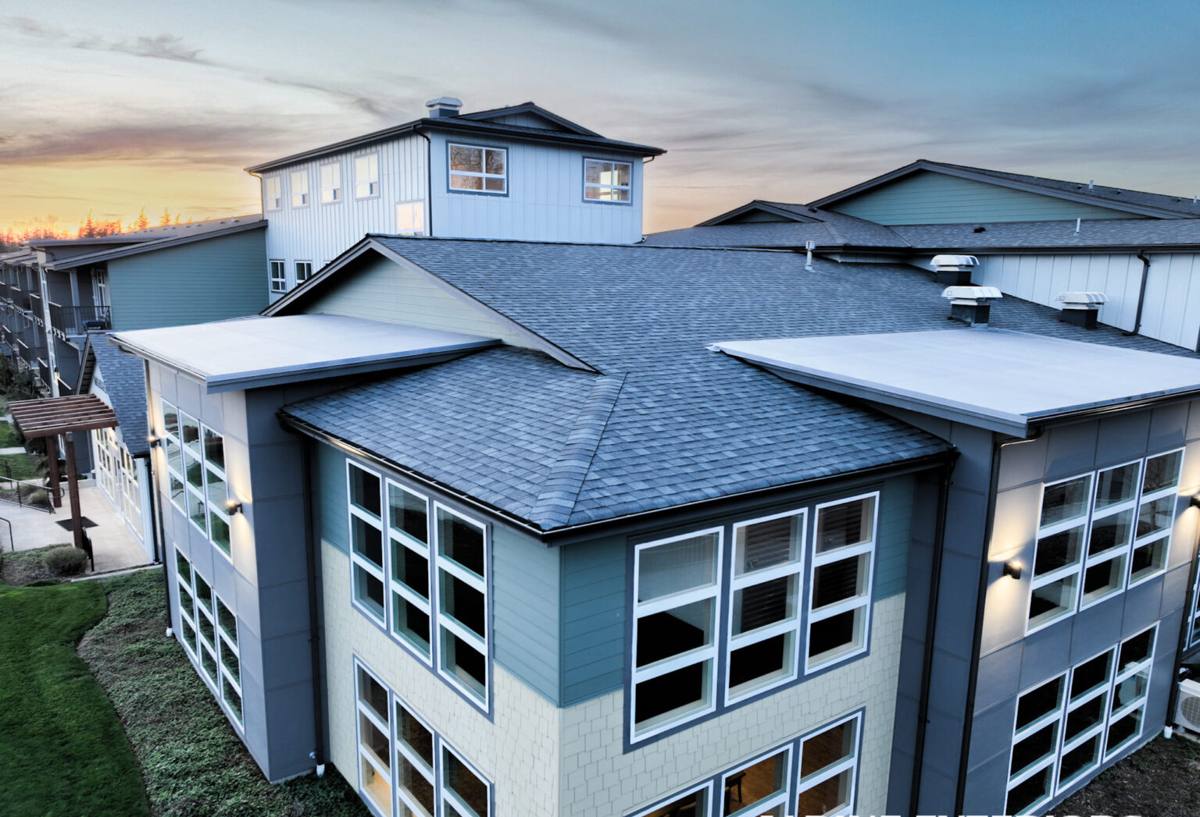
What This Climate Actually Does to a Shingle Roof
Salt Air and Metal Fatigue
Asphalt shingles themselves tolerate salt air reasonably well, but the metal components around them don't always fare as well. Flashing, drip edge, nail heads, and vent stacks are the parts of a roof most exposed to corrosion over time when they're sitting a few miles from saltwater. Cheaper or mismatched metal — the kind that gets used when a crew is trying to save a few dollars on materials — corrodes faster than the shingles around it, which is exactly how leaks start at valleys and penetrations well before the shingle field itself is worn out.
Driving Rain and Wind-Driven Water
Straight-down rain is easy for any roof to shed. Wind-driven rain — rain coming in sideways during a storm — is what actually tests a roof's detailing. It finds its way under shingle tabs with weak sealant bonds, up under poorly lapped underlayment, and through fastening patterns that were rushed. This is a wind-and-rain climate, not just a rain climate, and roofs here need to be installed with that in mind, not installed to a fair-weather standard.
Moss, Shade, and a Long Growing Season
Whatcom County's tree cover and damp climate give moss and algae a long window to establish themselves, especially on north-facing slopes and roof sections that stay shaded most of the day. Moss doesn't just look bad — it holds moisture against the shingle surface, works its way under tab edges, and can lift shingles enough to let water underneath. A roof that never dries out between rain events is a roof where moss gets a head start every year.
What a Correct Asphalt Shingle Installation Involves Here
"Correct" isn't just about nailing shingles to a roof deck in a straight line. In this climate, several details matter more than they would in a drier region, and skipping them is where most premature roof failures start.
Underlayment and Ice-and-Water Protection
Synthetic underlayment across the full deck is the baseline, not an upgrade. In valleys, around chimneys and skylights, and along eaves where wind-driven rain and occasional ice can back up water under the shingle edge, a self-adhering ice-and-water membrane gives a second line of defense that ordinary felt or synthetic underlayment alone doesn't provide.
Ventilation
A roof deck that can't breathe traps moisture from inside the house against the underside of the sheathing, which shortens the life of the roof from below at the same time weather is working on it from above. Balanced intake and exhaust ventilation matters just as much in a mild coastal climate as it does anywhere colder — arguably more, given how much of the year this area spends damp.
Flashing and Fastening
Step flashing at walls, proper counter-flashing, corrosion-resistant metal at valleys, and a fastening pattern that matches the shingle manufacturer's high-wind specification are what actually keep water out during a real storm. Six nails per shingle instead of four, placed correctly, is a small labor difference that shows up as a real difference in performance during the next windstorm off the water.
Choosing a Shingle That Makes Sense for This Area
Not every asphalt shingle product is a good fit for a damp, shaded, moss-prone climate. Here's how the common options compare for a Ferndale-area home.
| Shingle Type | Typical Lifespan | Moss/Algae Resistance | Wind Rating | Best For |
|---|---|---|---|---|
| Standard 3-tab | 15–20 years | Low unless treated | Lower | Budget-driven projects, low-slope simple roofs |
| Algae-resistant 3-tab | 15–20 years | Improved (copper/zinc granules) | Lower | Cost-conscious homes with shaded roof sections |
| Architectural (laminate) | 25–30 years | Good, especially with AR granules | Higher | Most Ferndale and Whatcom County homes |
| Premium/designer architectural | 30+ years | Very good | Highest | Steep, highly visible, or heavily shaded roofs |
For most homes in this area, we steer people toward algae-resistant architectural shingles. The upfront cost difference over basic 3-tab is real, but so is the difference in how long the roof looks clean before moss and streaking set in, and the thicker laminate construction handles wind-driven rain better at the tab edges.
Our Process for a Ferndale Roofing Job
- Inspection and assessment — we look at the deck, existing ventilation, flashing condition, and any moss or moisture damage before quoting anything.
- Straightforward estimate — what needs to be replaced, what can be reused, and why, in plain terms.
- Tear-off and deck check — old material comes off and the deck gets inspected for soft spots or rot before anything new goes down.
- Underlayment and flashing — ice-and-water membrane where it belongs, synthetic underlayment across the field, new flashing at valleys and penetrations.
- Shingle installation — installed to the manufacturer's high-wind fastening spec, not a shortcut version of it.
- Ventilation check — intake and exhaust balanced so the deck can actually dry out between wet spells.
- Cleanup and walk-through — magnetic sweep for stray fasteners, debris hauled off, and a walk-through so you know what was done and why.
Why Local Experience in Ferndale Actually Matters
A crew that already works this part of Whatcom County knows things a roofing company from further inland or from out of the region simply hasn't had reason to learn: which roof orientations in this area hold moss longest, how much wind exposure a given site typically sees, and what flashing and fastener specs actually hold up here versus what a generic spec sheet suggests. We also know the practical side — permitting expectations, typical weather windows for tear-off scheduling, and how to plan around the rain instead of getting caught by it mid-job.
That local familiarity doesn't replace good workmanship, but it does mean fewer surprises and fewer corners that need explaining after the fact.
What Drives the Cost of a Shingle Roof Here
| Factor | Why It Matters in This Climate |
|---|---|
| Roof pitch and complexity | Steeper roofs and more valleys mean more flashing detail work, which is where wind-driven rain does the most damage if it's skipped |
| Deck condition | Moss and slow leaks can cause hidden rot; deck repair is common on roofs that haven't been maintained |
| Shingle grade | Algae-resistant architectural shingles cost more upfront but hold their appearance and seal integrity longer here |
| Ventilation upgrades | Homes with inadequate attic ventilation often need vents added or corrected, which affects labor and materials |
| Access and tree cover | Heavily shaded, tree-surrounded lots common in this area can add setup and cleanup time |
We don't quote a job without seeing the roof — anyone who gives a firm number over the phone for a roof they haven't walked is guessing. What we can say honestly is that the biggest cost swings usually come from deck repair needs and how much flashing and ventilation work a roof requires, not from the shingles themselves.
Keeping a Ferndale Roof Healthy Between Replacements
Good installation buys you most of a roof's lifespan, but a little attention along the way protects that investment, especially given how long moss season runs here.
- Have gutters cleared before the fall rains start, so water isn't backing up under the shingle edge
- Watch shaded, north-facing sections for early moss growth rather than waiting until it's visible from the street
- Trim back overhanging branches that keep sections of the roof from drying out
- Have flashing around chimneys, skylights, and vent stacks checked every few years, since that's where corrosion and sealant failure show up first
- Address small leaks immediately — in this climate, a slow drip has a long season to do damage before it's obvious indoors
- Avoid pressure washing shingles directly; it can strip granules and shorten the roof's life faster than the moss it's removing
Warranty and Long-Term Standards
Manufacturer warranties on architectural shingles typically cover material defects for the shingle's rated lifespan, but they're conditioned on correct installation — proper fastening, underlayment, and ventilation. That's part of why we don't treat those details as optional add-ons; a warranty that gets voided by installation shortcuts isn't worth much to a homeowner. We also stand behind our own workmanship separately from the manufacturer's material warranty, and we'll walk you through exactly what each one covers before any work starts.
If your roof is showing moss, granule loss, or you just want an honest read on how many years it has left, we're happy to come take a look. The estimate is free, there's no pressure attached to it, and you'll get a straight answer about what your roof actually needs versus what it doesn't — just fill out the form below.