 Sudden Valley
 Windows on Yew Street Face a Different Set of Conditions
Yew Street sits inside Sudden Valley, tucked against the hills and tree cover on Lake Whatcom in Whatcom County. It's a beautiful spot to live, but it's not an easy spot for windows. The marine air that moves through this part of Washington carries salt-tinged moisture even this far inland, driving rain comes in sideways off the lake during fall and winter storms, and the tree canopy that makes the neighborhood so pleasant also means shade, damp air, and a moss season that can run from early fall clear into spring. Whether your home dates back to Sudden Valley's earlier development years or was built more recently, the windows on it are working against all three of those things every single day.
Old or poorly installed windows don't fail all at once. They fail slowly — a soft spot at a sill here, a foggy pane there, a draft you only notice when the wind picks up off the lake. By the time you can feel it from the couch, moisture has usually already been getting into the wall framing around that window for a while. This page walks through what energy-efficient windows actually need to do in this specific climate, what a correct installation looks like, and what our process is when you call us for a Yew Street home.
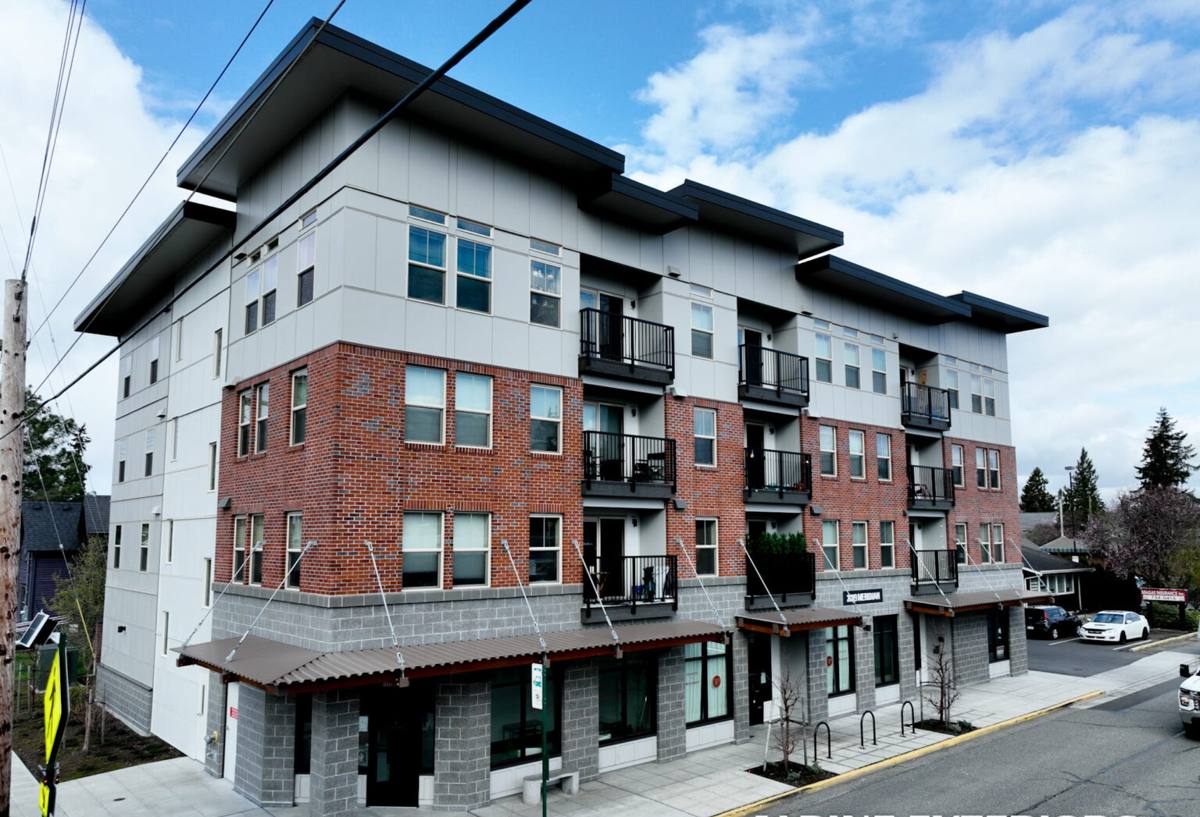
What "Energy-Efficient" Actually Means for a Home Here
Energy-efficient windows aren't just double-pane glass. In this climate, three ratings matter more than the marketing language on the box:
- U-factor — how well the window resists heat loss. In Whatcom County's cool, wet climate, this is the number to prioritize; a lower U-factor keeps more of your heated indoor air inside during our long shoulder seasons.
- Solar Heat Gain Coefficient (SHGC) — how much solar heat passes through the glass. Under tree cover and cloud, this matters less here than it would in a sun-exposed climate, but it still affects rooms with more open sky exposure.
- Air leakage rating — how much air moves through the assembly when it's closed. This is where driving rain and wind off the lake expose weak spots fastest.
Look for windows rated for the Northern climate zone under ENERGY STAR guidelines, with low-E coated glass and an argon or krypton gas fill between panes. Those three things together are what actually cut heating costs and reduce condensation on a home exposed to the kind of damp, wind-driven weather Yew Street sees for a good part of the year.
Double-Pane vs. Triple-Pane
Most homes in this neighborhood do fine with a quality double-pane, low-E, gas-filled unit. Triple-pane glass adds real insulation value but also adds weight, cost, and a longer lead time — worth discussing for a north-facing room that never sees sun, but not something we push on every opening.
The Failure Patterns We See Most Often on This Street
When we're called out to look at aging windows in this part of Sudden Valley, the damage tends to follow the same handful of patterns:
- Moss and algae holding moisture against the frame. Shaded, damp corners of a house grow moss on sills and lower sashes, and that moss stays wet long after the rest of the house has dried out, slowly breaking down paint, caulk, and wood.
- Driving rain forcing water past worn weatherstripping. Wind off the lake pushes rain sideways into window assemblies that were only ever designed to shed water falling straight down. Older weatherstripping and tired flashing details are exactly where that water finds a way in.
- Fogging or clouding between the panes. This means the seal on the insulated glass unit has failed and the gas fill is gone. Once that happens, the glass itself has to be replaced — there's no fixing a blown seal.
- Soft or rotted sills. Wood sills that stay damp for weeks at a time during moss season eventually soften. By the time you can press a thumbnail into the wood, moisture has usually already reached the framing behind it.
- Aging aluminum-frame windows. Aluminum conducts cold straight through the frame, which is part of why older aluminum windows in this climate tend to sweat and feel drafty even when the glass itself is intact.
What a Correct Window Installation Actually Involves
A lot of window jobs are sold as "we'll pop the new one in and caulk around it." That approach might look fine for a year or two, but in a climate with this much driving rain and standing moss, it's usually what causes the next round of rot. A correct installation includes:
- Sill pan flashing under the new window so any water that does get past the frame drains back out instead of soaking into the framing below.
- Proper integration with the wall's weather-resistive barrier — the flashing has to be lapped correctly with the house wrap or building paper, not just caulked over it.
- Accurate shimming and leveling so the sash operates smoothly and the seals compress evenly all the way around — an out-of-square window is a leaky window no matter how good the unit itself is.
- Low-expansion foam or backer rod in the gap around the frame, not a gap packed full of caulk, which cracks and shrinks over time.
- Exterior trim and flashing tie-in that sheds water away from the opening instead of channeling it toward the corners, which is where we see the most rot on older homes.
- Interior air sealing at the frame so conditioned air isn't leaking out around the edges even after the exterior looks finished.
Skipping any one of those steps doesn't usually show up right away. It shows up two or three wet seasons later, as a soft spot, a draft, or paint that won't stop bubbling.
Choosing the Right Frame and Glass Package
There's no single "best" window material — the right choice depends on your home's exposure, your maintenance appetite, and your budget. Here's how the common options compare for a home in this climate:
| Frame Material | Moisture Performance | Maintenance | Typical Lifespan | Best For |
|---|---|---|---|---|
| Vinyl | Good — won't rot, handles damp well | Low — occasional cleaning | 20–30 years | Most homes; best value for the climate |
| Fiberglass | Excellent — very stable in wet/dry cycles | Low | 30–40+ years | Homes with heavy sun/rain exposure or long-term owners |
| Wood-clad | Good if maintained; vulnerable at damaged cladding | Higher — needs periodic inspection and upkeep | 20–30 years with upkeep | Homeowners who want a wood interior look and will keep up maintenance |
| Aluminum | Fair — conducts cold, prone to condensation | Low | 20–30 years | We generally steer clients away from it here due to poor thermal performance in this climate |
We don't install bare aluminum-frame replacement windows on homes in this area as a matter of professional standard — not because the material is inherently bad, but because its thermal performance and condensation behavior are a poor match for a cool, damp, shaded climate like this one. Vinyl and fiberglass simply hold up better here with less long-term maintenance.
Cost Factors for a Yew Street Window Project
Every home is different, so we won't quote a number without seeing the openings, but these are the factors that move the price up or down:
| Factor | Why It Matters |
|---|---|
| Number and size of openings | Larger and more numerous windows mean more material and labor |
| Frame material | Vinyl is typically the most affordable; fiberglass and wood-clad cost more upfront |
| Glass package | Double-pane low-E vs. triple-pane changes both material cost and weight-related labor |
| Access and second-story work | Upper-floor and hard-to-reach openings take longer and may require staging |
| Existing rot or flashing damage | Sills or framing that need repair add labor beyond the window swap itself |
| Old window removal and disposal | Hauling and disposal of old units is part of a full-service job |
As a general range, homeowners in this area typically see installed costs from a few hundred dollars per opening for a straightforward vinyl replacement up to several thousand for larger openings, premium frame materials, or jobs that involve repairing damaged framing. We'll give you an exact number in writing before any work starts.
Our Process, Start to Finish
- On-site assessment. We look at every opening, check for existing moisture damage, and note exposure — which windows take the worst of the driving rain and which sit under the most tree cover and moss.
- Measurement and product recommendation. We measure precisely and recommend a frame and glass package based on that specific opening's exposure, not a one-size-fits-all package for the whole house.
- Written quote. You get a clear, itemized quote before we schedule anything — no surprise add-ons once work has started.
- Removal and prep. Old units come out carefully, and we inspect the framing and sill underneath before anything new goes in.
- Repair as needed. If we find soft wood or damaged flashing behind the old window, we repair it before installing the new one — installing a good window over bad framing just hides the problem.
- Installation. Sill pan flashing, correct shimming, low-expansion foam, and proper exterior flashing tie-in, every time.
- Trim and finish work. Interior and exterior trim gets finished to match the rest of the home.
- Final walkthrough. We test operation on every window with you, clean up the site, and go over warranty paperwork before we leave.
Keeping New Windows Performing Through Moss Season
A well-installed, energy-efficient window still needs a little basic upkeep in a climate like this one. A short annual routine goes a long way:
- Clear moss and debris off sills and tracks before it has a chance to hold moisture against the frame.
- Keep tree branches and shrubs trimmed back from windows that sit in heavy shade, so surfaces can actually dry out between rains.
- Check exterior caulking lines each fall, before the wet season sets in, and touch up any that have cracked or pulled away.
- Watch for condensation or fogging between panes — it's an early sign of a failing seal, not something that fixes itself.
- Make sure gutters and downspouts above window headers are clear, since overflow there is a common source of water running down onto window trim.
- Operate each window a few times through the year, even ones you don't normally open, so hardware and weatherstripping don't seize up.
Why a Crew That Already Works This Neighborhood Matters
There's a real difference between a contractor who's driving into Sudden Valley for the first time and one who already knows the neighborhood. We know how the tree cover on streets like Yew affects which walls take the worst of the moss and moisture, we know how driving rain off the lake behaves against different house orientations, and we're familiar with permitting through Whatcom County for exterior work. If your home is part of a community association with exterior design guidelines, we're used to working within those kinds of requirements rather than treating them as an afterthought. And if a warranty question comes up down the road, we're not a company you have to track down from out of town — we're already working in this area.
Ready for an Honest Look at Your Windows?
If you're dealing with drafts, fogged glass, soft sills, or just windows that have never felt right in the wind and rain off the lake, we're happy to take a look and give you a straight answer about what's actually going on — not just a sales pitch for a full replacement. Fill out the form below for a free, no-pressure estimate on your Yew Street home.