 Sudden Valley
 Building a Deck That Actually Holds Up in Edgemoor
A deck in Edgemoor doesn't fail the same way a deck in a dry inland climate fails. Around here, the problems show up slowly — a soft spot near the ledger board, black streaks on the decking, a railing post that's gone spongy at the base, stair treads that turn slick every fall and stay that way until spring. None of that happens because the wood was bad or the crew that built it was careless. It happens because a deck built for a different climate gets asked to survive salt air, driving rain, and a long moss season here in Whatcom County, and eventually the shortcuts show.
This page is about deck building specifically for Edgemoor and the surrounding Sudden Valley area — what the local conditions actually do to a deck over time, what a correctly built one includes, and how we approach the work so it holds up rather than becoming a five-year problem.
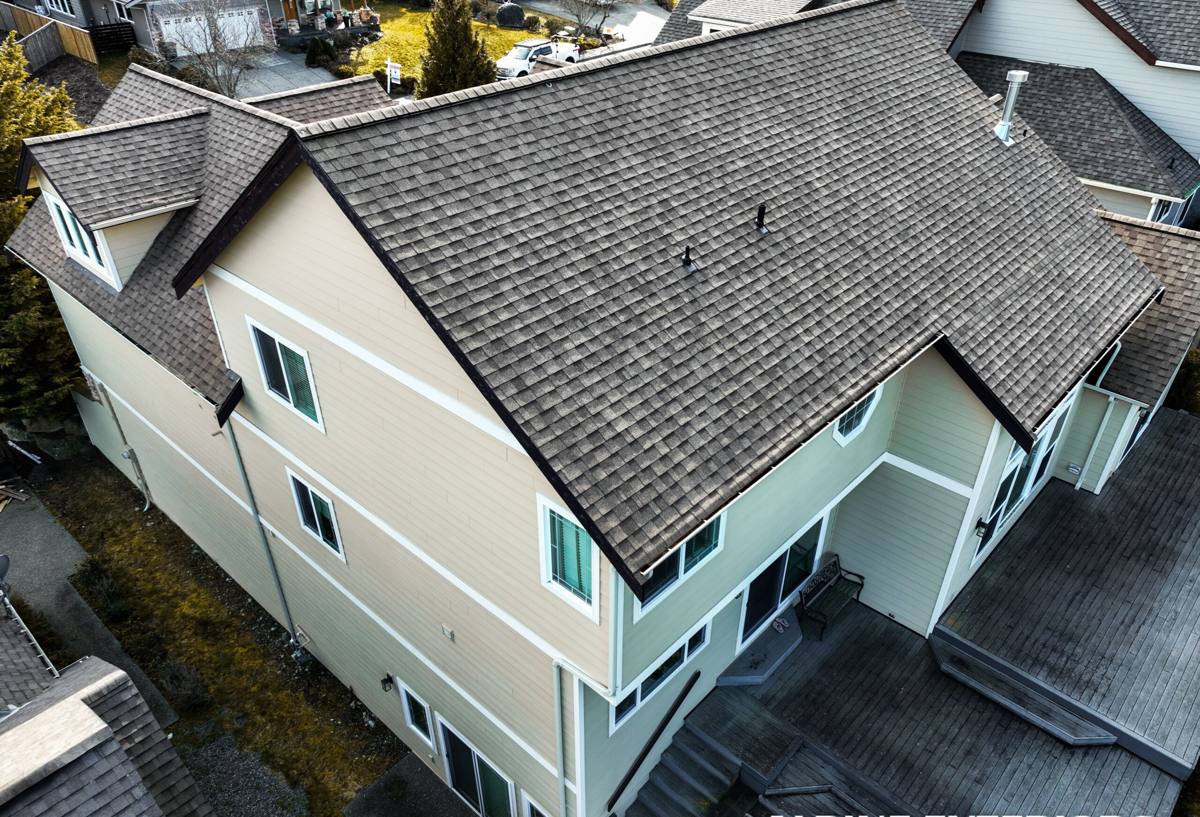
What Local Weather Does to a Deck Over Time
The three things that matter most for a deck in this part of Washington are moisture, salt-laden air, and moss. Each one attacks a different part of the structure, and a deck that's only built to handle one of them will eventually lose to the other two.
Moisture at the Ledger and Framing
The ledger board — where the deck attaches to the house — is the single most important connection on the whole structure, and it's also the spot most exposed to water intrusion. Driving rain pushes water sideways and up under trim and flashing details that would stay dry in a calmer climate. If the ledger isn't properly flashed and separated from the house wall with the right gap and tape, water tracks behind it and rots the rim joist or the wall sheathing from the inside, where nobody sees it until the deck starts to feel loose.
Moss and Slip Hazards
Moss season here runs long — shaded decks, north-facing decks, and anything under tree cover can stay damp for months at a stretch. Moss doesn't just look bad; it holds moisture against the decking surface and turns stairs and walking surfaces genuinely dangerous when wet. Decking material, board spacing, and surface texture all affect how much moss takes hold and how easy it is to keep off.
Fastener and Hardware Corrosion
Salt air accelerates corrosion on anything that isn't rated for it — screws, joist hangers, post bases, bolts. Standard galvanized hardware can start showing rust streaks within a few seasons in an exposed location. Once a fastener corrodes, it loses holding strength quietly, which is a structural issue, not just a cosmetic one.
Decking Material Options for This Climate
There's no single "best" decking material — there's a best fit for how the deck is used, how much shade it gets, and how much upkeep the homeowner actually wants to do. Here's how the common options hold up under Edgemoor conditions specifically:
| Material | How It Handles Rain & Moisture | Moss Resistance | Maintenance |
|---|---|---|---|
| Pressure-treated wood | Good if sealed and maintained; absorbs water at cut ends and fastener holes if not treated | Low — moss takes hold quickly if not cleaned | Annual cleaning and re-sealing recommended |
| Cedar | Naturally moisture-resistant but still needs finish maintained | Moderate — better than treated pine but still needs cleaning in shaded spots | Periodic sealing; more attention than composite |
| Composite decking | Very good — doesn't absorb water or rot | Moderate to good depending on surface texture and brand | Occasional washing; no sealing needed |
| Capped PVC decking | Excellent — fully sealed surface, no wood fiber to hold moisture | Good — smoother capped surfaces shed moss more easily | Lowest maintenance of the group |
We don't push one product over another as a rule — we lay out the honest trade-offs. Real wood costs less up front and can look great, but it demands consistent maintenance to hold up under this much rain and shade. Composite and capped PVC cost more initially but shed water and resist moss with far less ongoing work, which matters a lot on a shaded or north-facing deck. The right call depends on the specific site and how much maintenance you actually want to sign up for.
What a Correctly Built Deck Includes
A deck that's built right for this climate isn't dramatically different in appearance from one that's built wrong — the difference is almost entirely in details you can't see once it's finished. That's exactly why it matters who builds it.
- Ledger board properly flashed and separated from the house wall, with self-adhering membrane behind it — not just caulk
- Footings poured to the correct depth for frost and soil conditions, not just "deep enough to look right"
- Joist tape or comparable protection on top of every joist to stop water from wicking into the end grain
- Corrosion-resistant, climate-rated fasteners and structural hardware throughout — not standard hardware store galvanized
- Proper board spacing and airflow underneath the deck so wet surfaces actually get a chance to dry between rain events
- Stair and railing framing built to current code, with attention to how slick the walking surface gets when wet
None of these items add much to the visible finished product. All of them determine whether the deck is still solid in fifteen years or starting to fail in five.
Permits and Local Code Considerations
Most decks above a certain height or attached to the house require a building permit in Whatcom County and the surrounding jurisdictions, and inspections typically check ledger attachment, footing depth, and railing/guard requirements before the decking ever goes down. Skipping the permit doesn't just create legal exposure — it also means nobody with code knowledge is checking the structural connections before they get covered up. We pull the required permits and build to the inspected standard as a matter of course, not as an upsell.
Our Deck-Building Process
1. Site Assessment
We look at sun exposure, tree cover, drainage, existing structure condition if it's a rebuild, and how the deck attaches to the house. This is where we identify moisture risks specific to the site before any material decisions get made.
2. Design and Material Selection
We walk through layout, decking material, railing style, and any stairs based on how the space will actually be used and how much maintenance the homeowner wants going forward — with the honest trade-offs from the table above laid out plainly.
3. Permitting
We handle the permit application and coordinate required inspections so the structural work gets verified at the right stages, not just at the end.
4. Construction
Footings, framing, ledger flashing, and structural connections come first and get inspected before decking goes down. Decking, railings, and stairs are installed last.
5. Final Walkthrough
We walk the finished deck with the homeowner, cover basic maintenance expectations for the material chosen, and make sure everything is solid before we consider the job done.
Maintenance Checklist for Edgemoor Decks
Whatever material a deck is built from, a little seasonal attention goes a long way in this climate. A basic yearly routine:
- Clear leaves and debris from between boards and off ledger areas before fall rains set in
- Check and clean shaded or north-facing areas for early moss growth, especially near stairs
- Inspect fasteners and hardware for rust streaks or loosening, particularly near the ledger and post bases
- Check that gaps between boards haven't closed up with debris, which traps moisture against the framing
- Re-seal wood decking on the manufacturer's recommended schedule rather than waiting until it looks dry and gray
- Confirm under-deck airflow paths (skirting vents, gaps) are clear so the structure can actually dry out between storms
Why Hire a Crew That Already Works in Edgemoor
A contractor who mostly builds decks in drier parts of the state will often default to standard details — because those details work fine where they normally build. Around Sudden Valley, "standard" flashing and hardware choices are exactly the kind of shortcut that turns into a rot problem or a corroded connection a few years down the line. A crew that already works this area builds ledger flashing, fastener selection, and drainage detailing around what the local rain, humidity, and moss season actually demand, because they've seen what happens when those details get skipped.
It also means faster, more realistic scheduling around our actual weather windows, and a better sense of which materials genuinely hold up here versus which ones just look good on a spec sheet.
Getting Started
If you're planning a new deck or replacing one that's showing its age, we're happy to take a look and talk through what makes sense for your site, your budget, and how much maintenance you want to take on. Reach out for a free, no-pressure estimate using the form below.