 Sudden Valley
 Storm Damage in Happy Valley: What We're Usually Called Out For
Happy Valley sits inside the Sudden Valley community in Whatcom County, tucked against timber and close enough to Lake Whatcom to catch the full brunt of whatever comes off the water. When a windstorm rolls through, we don't get called out for one dramatic type of damage — we get called for a mix of small problems that, left alone, turn into big ones. Lifted shingle tabs along a ridge. A section of flashing that worked loose and let water track down into a soffit. Moss-softened wood that finally gave way under a branch strike. None of it looks catastrophic from the ground, which is exactly why it gets missed until there's a stain on a ceiling.
This page is specifically about storm damage repair for homes in and around Happy Valley — not a general roofing overview. If you've had a windstorm, a heavy rain event, or a falling limb in the last few weeks and you're wondering whether your roof took a hit, this is what we look for and how we handle it.
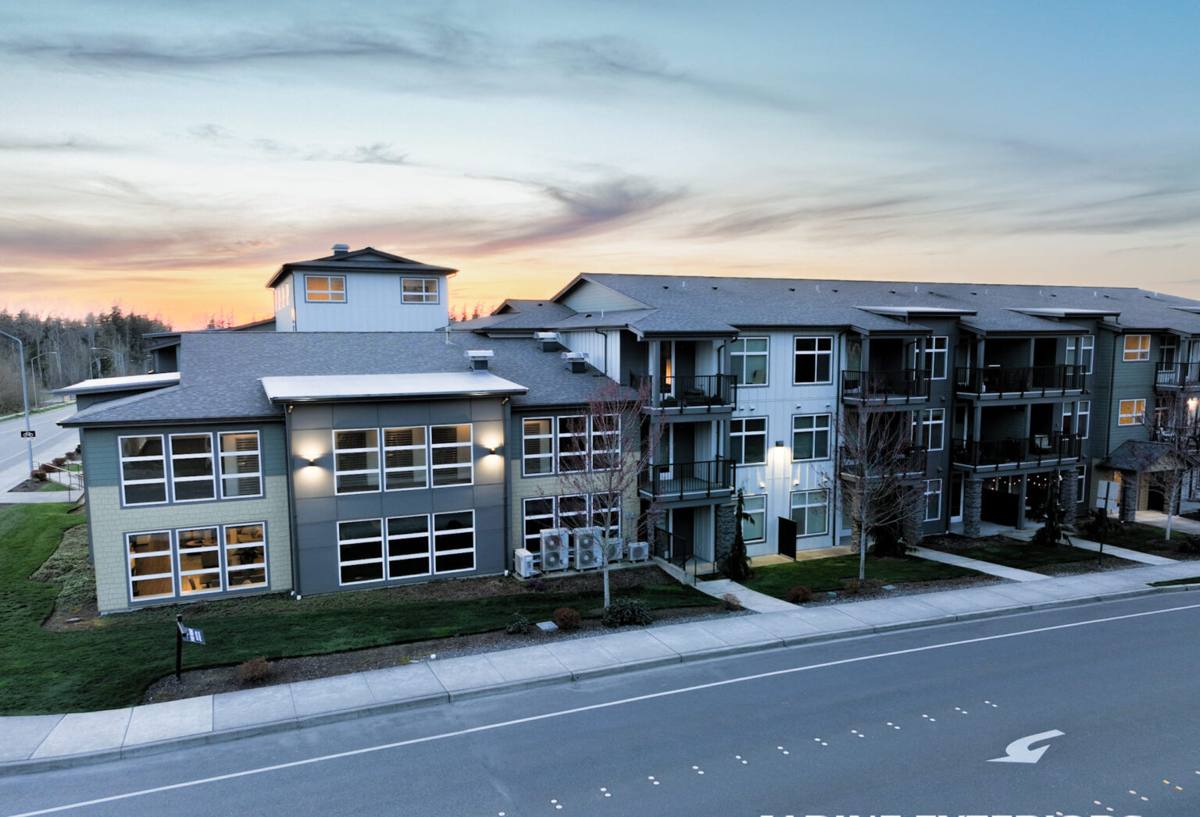
Why Sudden Valley's Climate Is Hard on Roofs
Three things work against roofs here, and they compound each other rather than acting alone.
Salt Air and Metal Fatigue
Being close to Bellingham Bay and the Puget Sound airshed means homes throughout Whatcom County deal with a low but steady dose of salt-laden air. It's not coastal-Oregon severe, but it's enough to accelerate corrosion on exposed fasteners, flashing seams, and any galvanized metal that isn't properly coated or has had its protective layer scratched during a storm. A fastener that rusts through doesn't announce itself — it just quietly stops holding.
Driving Rain, Not Just Rain
Whatcom County gets plenty of straight-down rain that most roofs handle fine. The damage shows up during wind-driven rain, when water gets pushed sideways under shingle tabs, around chimney flashing, and into any gap that a calm-weather roof would never notice. A roof can look completely intact after a storm and still be leaking, because the entry point is a lifted tab or a flashing lap that only opens up under wind pressure.
The Long Moss Season
Between the tree cover around Sudden Valley and the region's long wet stretch from fall through spring, moss has a lot of time to establish itself on north-facing slopes and shaded valleys of the roof. Moss isn't cosmetic — it holds moisture against the shingle surface, works its way under tabs as it grows, and its root structure lifts the granule layer that protects shingles from UV and abrasion. A moss-compromised roof is far more vulnerable to storm damage than a clean one, because the shingles underneath are already weakened before the wind ever shows up.
Signs Your Roof May Have Storm Damage
Most storm damage isn't obvious from the driveway. Here's what we tell Happy Valley homeowners to actually check for, or watch for after a storm passes:
- Shingles that look "fuzzy" or discolored at the edges, or granules collecting in gutters and downspouts
- Any shingle tab that's lifted, curled, or missing outright — even one
- Bent, dented, or separated flashing around chimneys, vents, or where roof planes meet
- Fresh branch or debris strikes, especially near trees close to the roofline
- New water stains on ceilings or in the attic, even faint ones
- Soft or spongy spots when walking a section of roof (a sign of moisture already in the decking)
- Gutters pulling away from the fascia, which can indicate wind uplift stress on the whole roof edge
- Visible daylight through the attic roof deck at seams or nail holes
If you see two or more of these, it's worth a proper inspection rather than waiting to see if a leak develops. Small storm damage is a repair. Ignored storm damage is often a much bigger job by the time it's found.
What a Correct Storm Damage Repair Actually Involves
Inspection Before Anything Else
We walk the roof, not just look at it from the ground with binoculars. Storm damage hides in flashing laps, under ridge caps, and at the base of chimneys — spots you can't judge accurately from a ladder at the eave. We're checking the decking underneath compromised areas too, since a soaked deck needs to dry out or be replaced before new shingles go over it, or you're just sealing moisture in.
Emergency Tarping When It Can't Wait
If a storm has opened up a hole or stripped a section bare and more rain is coming, the first move is a proper tarp-down — not just plastic sheeting stapled over the gap, but a secured tarp that actually sheds water and won't tear loose in the next round of wind. This buys time to do the real repair correctly instead of rushing it.
Matching Materials, Not Just Patching
A storm repair that uses mismatched shingles or the wrong flashing profile looks bad and often performs worse — a patch that doesn't match the surrounding roof's exposure and nailing pattern can become its own leak point. We match shingle type, color run when possible, and flashing style to what's already on the roof, or we're upfront when an exact match isn't available and explain the options.
Deciding Repair vs. Replace, Section by Section
Storm damage doesn't always mean a full new roof. Often it's isolated to one slope, one flashing detail, or a ridge line. We'll tell you honestly when a targeted repair is the right call and when the damage — or the roof's overall age and condition — means a repair would just be a stopgap on a roof that needs replacing soon anyway.
Our Process for Happy Valley Storm Calls
- Contact and priority triage — active leaks and open decking get scheduled first, ahead of cosmetic damage.
- On-roof inspection — full assessment of the affected area plus a check of adjacent sections, since storm stress rarely stays perfectly contained to one spot.
- Written scope and estimate — what's damaged, what we recommend, and why, before any work starts.
- Emergency mitigation if needed — tarping or temporary sealing to stop active water intrusion.
- Repair — decking replacement where needed, matched shingles and flashing, proper fastening for wind and rain exposure.
- Final check — we walk the repaired area and the roof generally, so you know if anything else is worth watching.
Repair vs. Replacement: What Actually Drives the Decision
| Factor | Leans Toward Repair | Leans Toward Replacement |
|---|---|---|
| Roof age | Under 12–15 years, otherwise sound | Nearing or past expected lifespan |
| Extent of damage | Isolated to one section or detail | Spread across multiple slopes |
| Decking condition | Dry, solid underneath | Soft, delaminated, or repeatedly wet |
| Moss history | Minor, recently treated | Long-term moss with granule loss underneath |
| Shingle availability | Close match still available | Discontinued or badly weathered mismatch |
None of these factors decide anything on their own — it's the combination that matters, and it's why an in-person inspection beats a guess every time.
Insurance and Storm Claims
A lot of storm damage in Whatcom County does qualify for insurance coverage, particularly wind and impact damage from falling limbs. We can document what we find with photos and a written assessment that you can hand to your adjuster, and we're happy to walk the roof with an adjuster if that's useful. We're not going to tell you what your policy covers — that's between you and your insurer — but we'll make sure the damage itself is documented clearly and accurately.
Why Hiring a Crew That Already Works Happy Valley Matters
A roof in Happy Valley isn't dealing with the same conditions as a roof twenty miles inland. The tree cover, the moisture patterns coming off Lake Whatcom, and the general Whatcom County wind-and-rain pattern all shape what actually fails first and where. A crew that works this area regularly already knows to check the north-facing moss zones first, knows which flashing details tend to work loose in this specific wind pattern, and isn't learning the neighborhood's roofing quirks on your dime. That local familiarity translates directly into a faster, more accurate inspection and a repair that's built for what your roof will actually face next winter — not a generic storm patch.
After the Repair: Keeping the Next Storm From Doing the Same Damage
A storm repair is a good moment to deal with the conditions that made the damage worse in the first place. If moss contributed to the failure, a moss treatment and a plan for periodic removal will protect the repair. If gutters were overwhelmed or pulling loose, now's the time to address that too, since a gutter system under stress puts extra load on the roof edge during the next windstorm. We'll flag anything we see along these lines during the repair — not to upsell you, but because it's the difference between fixing the symptom and fixing the cause.
If you've had storm damage, or you're just not sure whether recent wind and rain left anything behind, we're glad to come out and take a straightforward look. The estimate is free, there's no pressure, and you'll get a clear answer about what — if anything — needs doing. The form below is the easiest way to get on our schedule.