 Sudden Valley
 Windows Built for Deming's Rain, Moss, and River-Valley Air
Deming sits in the Nooksack River valley along the Mount Baker Highway corridor, a stretch of Whatcom County that sees more standing moisture than most people expect. Marine air pushes inland from Bellingham Bay and gets funneled up the valley, carrying a faint edge of salt with it. Add the driving, wind-pushed rain that comes through in fall and winter, plus a moss season that can run eight months or longer in shaded, tree-lined lots, and you end up with windows that take a real beating year-round. Wood sashes swell and stick. Aluminum frames pit and corrode at the fasteners. Vinyl that wasn't installed with proper flashing lets water track behind the trim instead of shedding off the wall. None of this is dramatic — it's slow, and that's exactly why it gets ignored until a sill is soft or a pane has fogged for good.
A window that works in a drier inland climate doesn't automatically work here. Deming homes need windows selected and installed with this valley's specific moisture pattern in mind, not a generic install done the same way it would be in a dry climate three states over.
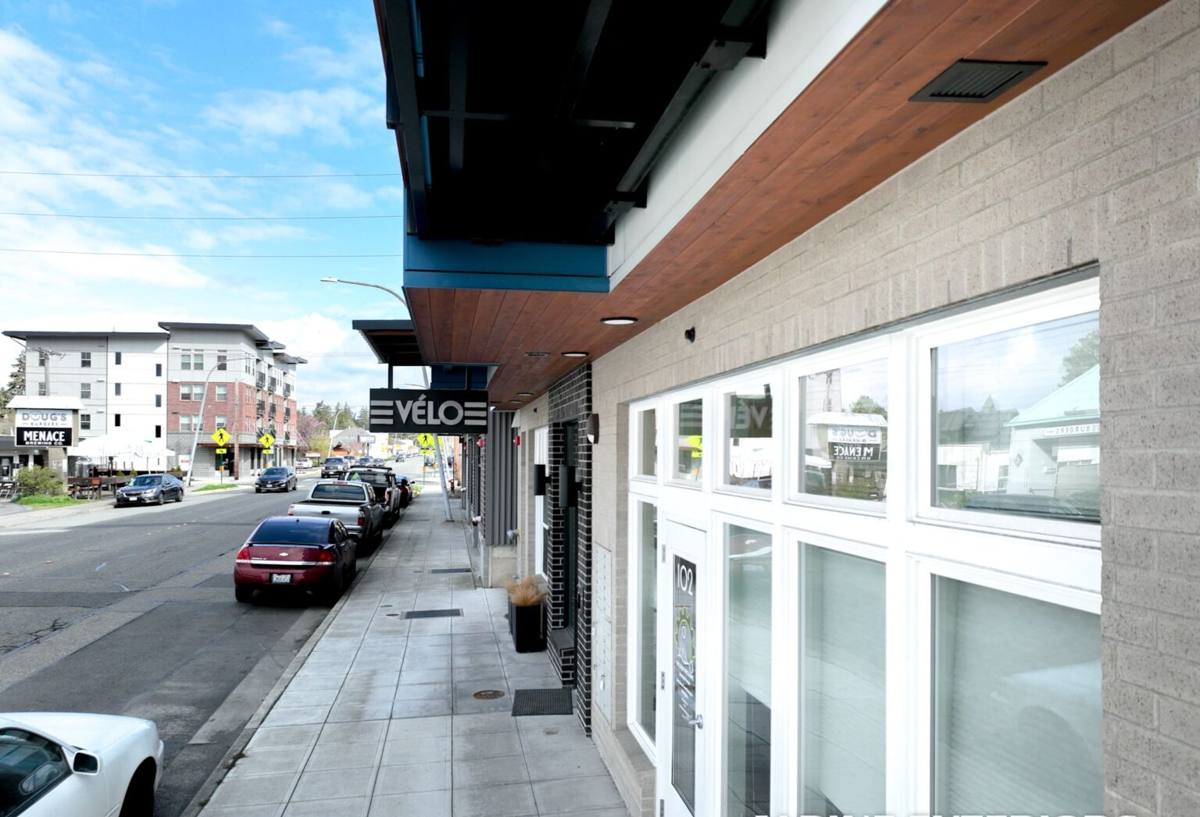
What "Custom" Actually Means for a Deming Home
Custom windows aren't just about unusual shapes or high-end finishes. Most of the custom work we do in Deming comes down to two things: openings that don't match modern standard sizes, and matching the look of windows that are already on the house.
Non-Standard Openings
Older farmhouses, cabins, and additions built over the decades in this part of the county rarely have rough openings that match today's stock window sizes. A standard off-the-shelf unit either leaves gaps that need to be built out with extra framing and trim, or it doesn't fit at all. Custom-sized units, built to the actual opening, mean the flashing and weather barrier can be installed correctly the first time instead of patched around a mismatch.
Matching Existing Sightlines
When you're replacing a few windows on a home rather than the whole house, the new units need to line up with the ones staying in place — same sightlines, same grid pattern if there is one, same general proportions. A mismatched replacement window is one of the fastest ways to make an otherwise solid home look patched together.
Signs Your Windows Are Losing the Fight
Most window failure in this climate is gradual. Here's what we look for when we walk a Deming property:
- Fogging or a milky haze between panes — the seal on the insulated glass unit has failed and moisture is trapped inside
- Soft or spongy wood at the sill or lower corners of the frame
- Dark streaking or moss starting to establish itself in the corners of the frame or where trim meets siding
- A noticeable draft or cold spot near the window even when it's fully latched
- Paint that's peeling or bubbling specifically around the window, not the wall generally
- Sashes that stick, bind, or won't stay up without a prop — usually swelling from repeated moisture cycling
Any one of these on its own might just mean a caulking touch-up. Two or three together, especially on a window that's original to the house, usually means it's time to talk about replacement before the framing underneath takes damage too.
Our Installation Process
The process is the same core steps for every job, but the details we pay attention to are tuned for this climate:
- On-site assessment. We look at each opening individually — framing condition, current flashing, signs of past water intrusion, and how the opening is oriented to prevailing wind and rain.
- Measuring and product selection. Openings are measured precisely and windows are ordered to fit, not forced to fit. We talk through frame material, glass package, and finish based on the specific wall and exposure.
- Removal and opening prep. Old units come out carefully so we can inspect the sheathing and framing underneath. Any soft or water-damaged wood gets addressed before anything new goes in — covering over a problem is how small repairs turn into big ones.
- Flashing and weather barrier detail. This is the step that matters most in a wet climate and the one that gets rushed most often on cheap installs. Proper flashing tape, sill pans, and integration with the house wrap are what actually keep water out over the long run, not the window itself.
- Setting and shimming. The unit is leveled, plumbed, and shimmed so it operates smoothly and seals evenly on all four sides.
- Sealing and insulating. Low-expansion foam or backer rod and sealant around the frame, sized correctly so we're not overcompressing the frame or leaving gaps.
- Exterior trim and finish work. Trim is reinstalled or replaced and sealed to match the surrounding siding so the whole assembly sheds water as one system.
- Final walkthrough. We operate every window with you, check the seals, and clean up the site before we call it done.
Choosing the Right Frame Material for a Wet Climate
There's no single "best" window material for every situation — it depends on the home, the budget, and how exposed the opening is to wind-driven rain. Here's how the common options compare for a river-valley climate like Deming's:
| Material | Moisture Resistance | Maintenance | Typical Lifespan |
|---|---|---|---|
| Vinyl | Very good — won't rot or corrode | Low; occasional cleaning | 20–30 years |
| Fiberglass | Excellent — dimensionally stable, resists warping | Low | 30–40+ years |
| Wood-clad | Good if the cladding is intact; wood core still needs protection | Moderate — watch for cladding gaps and reseal as needed | 20–30 years |
| Aluminum | Fair — prone to condensation and pitting near salt-influenced air | Moderate to high | 15–25 years |
| Solid wood | Fair — needs consistent upkeep to prevent rot | High — regular painting/sealing | 20+ years with upkeep, less without |
For most Deming homes we lean toward vinyl or fiberglass for their resistance to the moisture cycling this valley sees, but wood-clad is a reasonable choice on homes where the look matters and the owner is committed to keeping up with maintenance. We'll walk through the honest trade-offs for your specific home rather than push one material across the board.
Glass Package Matters Too
Double-pane with a low-E coating is the baseline we'd recommend for this climate; it manages condensation and heat loss well for most homes. Triple-pane adds more insulating value and a bit more sound dampening, which is worth considering on windows facing the highway corridor or on a home where winter heating cost is a bigger priority, but it comes at added weight and cost that isn't always worth it on every opening.
Cost Factors for a Custom Window Project
We don't quote sight-unseen, but the main variables that move the price on a Deming project are usually:
- Number of openings and whether they're standard or custom-sized
- Frame material and glass package selected
- Condition of the existing framing — hidden water damage found during removal adds scope
- How much exterior trim and siding work is needed to tie the new window in cleanly
- Site access — some rural Deming properties have longer driveways or tighter staging areas that affect labor time
We'd rather walk the property and give you real numbers than throw out a range that doesn't mean much once we're actually on-site.
Why Hire a Crew That Already Works in Deming
A crew that regularly works this stretch of Whatcom County already understands the moisture pattern along the Nooksack valley, knows what county permitting requires for window replacement on older structures, and isn't guessing at how a given wall assembly handles wind-driven rain. That familiarity shows up in small decisions — how flashing gets lapped, how much clearance to leave at the sill, which trim details actually hold up here versus which ones look fine on day one and fail in year three. It also means straightforward scheduling around the wetter months instead of trying to force an install during a downpour, which is when moisture gets trapped behind materials that then can't dry out properly.
Keeping Custom Windows Performing After Installation
A correct install buys you decades of performance, but a little seasonal attention keeps it that way:
- Clear weep holes at the bottom of the frame so water can drain instead of pooling
- Check caulking and sealant lines once a year, especially after a hard winter
- Keep gutters and downspouts above and near windows clear so overflow doesn't run down the wall
- Watch for early moss or algae growth at frame corners and clean it off before it establishes
- Trim back vegetation that keeps a window in constant shade — shade slows drying and extends moss season on that spot
- Operate every window at least a few times a season so tracks and hardware don't seize up
If your windows are original to the house, showing the signs above, or you're planning a Deming remodel that involves new or resized openings, we're happy to come take a look. The estimate is free, there's no pressure, and you'll get a straight answer about what your home actually needs — just fill out the form below to get started.