 Sudden Valley
 Deck Replacement Built for the Columbia Area's Wet, Wooded Climate
If you own a home in the Columbia area near Sudden Valley, you already know your deck works harder than a deck in a drier part of the state. Whatcom County sits in the path of marine air moving in off the Sound, which means long stretches of drizzle, driving rain events in fall and winter, and a moss season that can run from October well into spring. Add in the tree canopy that shades many lots in this area, and you get decks that stay damp longer than they should, grow moss and algae faster than they can be scrubbed off, and hide rot in places you can't see from the surface.
A deck replacement done right for this area isn't just about swapping old boards for new ones. It's about correcting the moisture path — the ledger connection, the flashing, the gaps between boards, the fastener choice — so the new deck doesn't fail the same way the old one did. That's the standard we build to on every Columbia-area deck replacement.
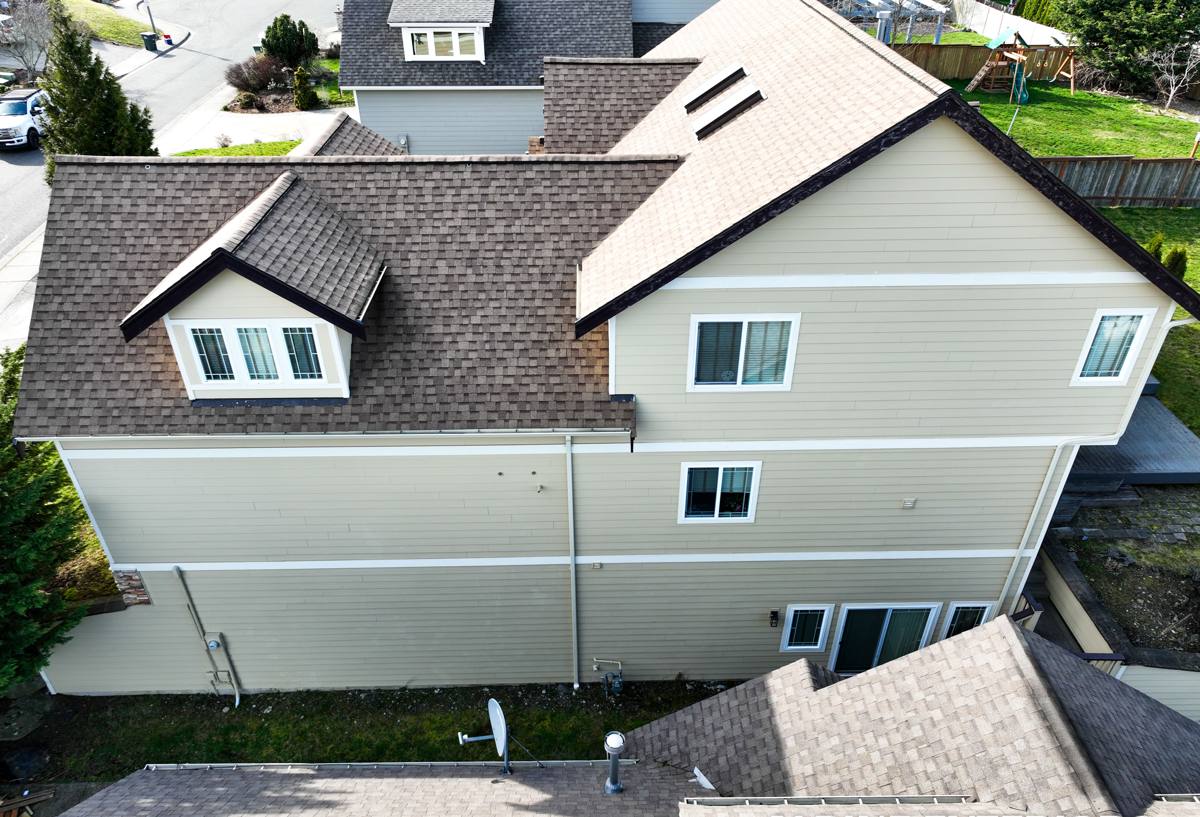
Why Decks in This Area Fail Sooner Than Homeowners Expect
Most deck failures we find in this part of Whatcom County aren't from age alone — they're from moisture that had nowhere to go. A few patterns show up again and again on decks built without local conditions in mind:
- Ledger boards bolted to the house without proper flashing, letting water track behind the siding and into the rim joist
- Decking laid tight with no drainage gap, trapping needles, moss spores, and standing water between boards
- Joists and beams left unprotected where they meet each other, so rot starts from the inside out
- Standard fasteners that rust and streak within a few wet seasons
- Framing set too close to grade or shaded ground, with poor airflow underneath
None of these are visible from the top of the deck until the damage is advanced. That's part of why deck replacement, rather than another round of patching, is often the more honest answer once a deck is more than 12–15 years old in this climate.
Signs a Columbia-Area Deck Needs Replacement, Not Repair
Repair makes sense when the damage is isolated — a cracked board, a loose railing baluster, a stair tread that's split. Replacement is the right call when the problems point to the structure itself. Use this checklist as a general guide before you decide which route to take:
- Boards that feel soft, spongy, or flex noticeably when you walk across them
- Rot or dark staining at the point where the deck attaches to the house (the ledger)
- Moss or algae that returns within days of cleaning, even after a pressure wash
- Fasteners that are rusted, popped up, or leaving black streaks down the boards
- Gaps that have widened unevenly, or boards that have cupped and no longer sit flat
- Any noticeable bounce, sway, or movement in the framing when the deck is loaded
- A deck built before current flashing and fastener standards were common practice
If you're checking off more than two or three of these, a replacement will almost always cost less over time than continuing to chase repairs on a structure that's already compromised.
What a Correct Deck Replacement Involves
Ledger Board and Flashing
This is the single most important connection on the deck, and the most common source of hidden rot in wet climates like ours. A proper replacement means removing the old ledger, inspecting and repairing the rim joist behind it if needed, and installing flashing that actually sheds water away from the house rather than trapping it against the framing.
Framing, Joists, and Hardware
We size joists and beams to current span tables for the load and layout, not just to match what was there before. All structural connections use corrosion-resistant hardware rated for exterior and ground-contact use — cutting corners here is exactly how a deck ends up with the same rot problem in another decade.
Decking, Gaps, and Drainage
Board spacing is set to allow water and debris to pass through instead of collecting between boards. Where the deck sits low or under heavy shade, we also look at ventilation underneath the structure, since stagnant, damp air under a deck is one of the biggest drivers of moss growth and slow rot in this part of the county.
Choosing the Right Decking Material for This Climate
There's no single "best" decking material — the right choice depends on how much maintenance you're willing to do, your budget, and how much shade and moisture the deck will see. Here's how the common options compare for a wet, moss-prone property in the Columbia area:
| Material | Moisture & Moss Resistance | Maintenance | Typical Lifespan |
|---|---|---|---|
| Pressure-treated wood | Good if sealed regularly; moss and algae can take hold if neglected | Annual cleaning and resealing recommended | 15–20 years with upkeep |
| Cedar | Naturally rot-resistant but softens over time without sealing | Sealing every 1–2 years, more attention in shaded areas | 15–20 years with upkeep |
| Composite (capped) | Very good; won't rot, but algae can still film the surface in deep shade | Periodic washing, no sealing or staining | 25–30+ years |
In heavily shaded, damp spots on a lot, we'll often steer homeowners toward capped composite simply because it removes the maintenance burden that a wood deck demands in these conditions. That's a practical recommendation based on how these materials actually behave here, not a knock on wood decking done and maintained correctly.
Our Deck Replacement Process
- On-site evaluation — we walk the existing deck, check the ledger and framing where accessible, and note drainage, shade, and grade conditions specific to your property.
- Written estimate — a clear scope covering demolition, framing, materials, hardware, and any structural repairs found during teardown.
- Permitting — we handle the permit application and inspections required for the new structure.
- Demolition and disposal — the old deck is removed and hauled away; we inspect the rim joist and ledger area once it's exposed.
- Framing and flashing — new structural framing goes in first, followed by proper ledger flashing before any decking is installed.
- Decking, railing, and finish work — boards, railings, and stairs are installed to code, with attention to consistent spacing and drainage.
- Final walkthrough — we go over the finished deck with you, including basic care guidance for the material you chose.
Permits, Codes, and Community Guidelines
Deck replacement in Whatcom County typically requires a building permit, and inspections along the way for framing and final approval. If your property is part of a planned community, there may also be design or material guidelines set by a homeowners association that apply on top of the county code — it's worth checking your covenants before finalizing a design. We handle the county permitting process as part of the job, and we're happy to work from any HOA requirements you provide.
Cost Factors for Columbia-Area Deck Replacement
Every deck is different, so a real number only comes from an on-site look, but the same handful of factors drive most of the variation we see:
- Overall square footage and number of levels or stairs
- Whether the existing framing can be reused or needs full replacement
- Decking material — pressure-treated, cedar, and composite carry different material costs
- Railing style and material
- Ledger and rim joist condition once the old decking is removed
- Site access for material delivery and debris removal
- Permit and inspection fees
Hidden rot at the ledger or framing is the most common reason a project's final cost shifts from the initial estimate — it's simply not visible until the old decking comes off, which is why we build a contingency conversation into every estimate up front rather than surprising you later.
Why Hire a Crew That Already Works in the Columbia Area
A deck built for a dry climate and a deck built for a shaded, rain-heavy lot near Sudden Valley aren't the same project, even if they look identical on paper. Crews who work this area regularly know to check for the drainage and shade issues that cause early failure here, know what Whatcom County's permitting process expects, and have already seen how different decking materials hold up through a real Pacific Northwest wet season — not just how they're rated in a brochure. That local track record is worth as much as any single material choice on the job.
Caring for Your New Deck
A properly built deck still needs some seasonal attention in this climate. Keep gutters and downspouts directed away from the deck footprint, sweep needles and debris off the surface before they trap moisture, and wash down the boards at least once a year to keep moss from establishing. Wood decks need resealing on a regular cycle; composite decks mainly need washing to keep algae film from building up in shaded corners. Staying ahead of these small tasks is what lets a new deck reach the upper end of its expected lifespan instead of the lower end.
If your deck is showing rot, persistent moss, or just isn't holding up the way it should, we'll come take a look and give you a straightforward, no-pressure estimate for a replacement built to handle what this climate actually throws at it. Use the form below to get started.