 Sudden Valley
 Window Installation Built for Alger's Weather, Not Just Any Weather
Alger sits close enough to the water and the timber line that its homes take a different kind of beating than houses twenty miles inland. Salt-laden air off the Sound, long stretches of driving rain in the fall and winter, and a moss season that seems to run half the year all work on a window the same way they work on siding and roofing — slowly, quietly, until a homeowner notices a soft spot in the sill or a draft that wasn't there last year. Window installation here isn't just about picking a style and setting it in the opening. It's about managing water before it ever gets a chance to sit against wood, vinyl, or trim.
We work throughout the Sudden Valley area, including out toward Alger, and the approach doesn't change from job to job because the climate doesn't change from job to job. What changes is how much attention a given wall assembly needs based on sun exposure, wind direction, and how the original window was flashed — or wasn't.
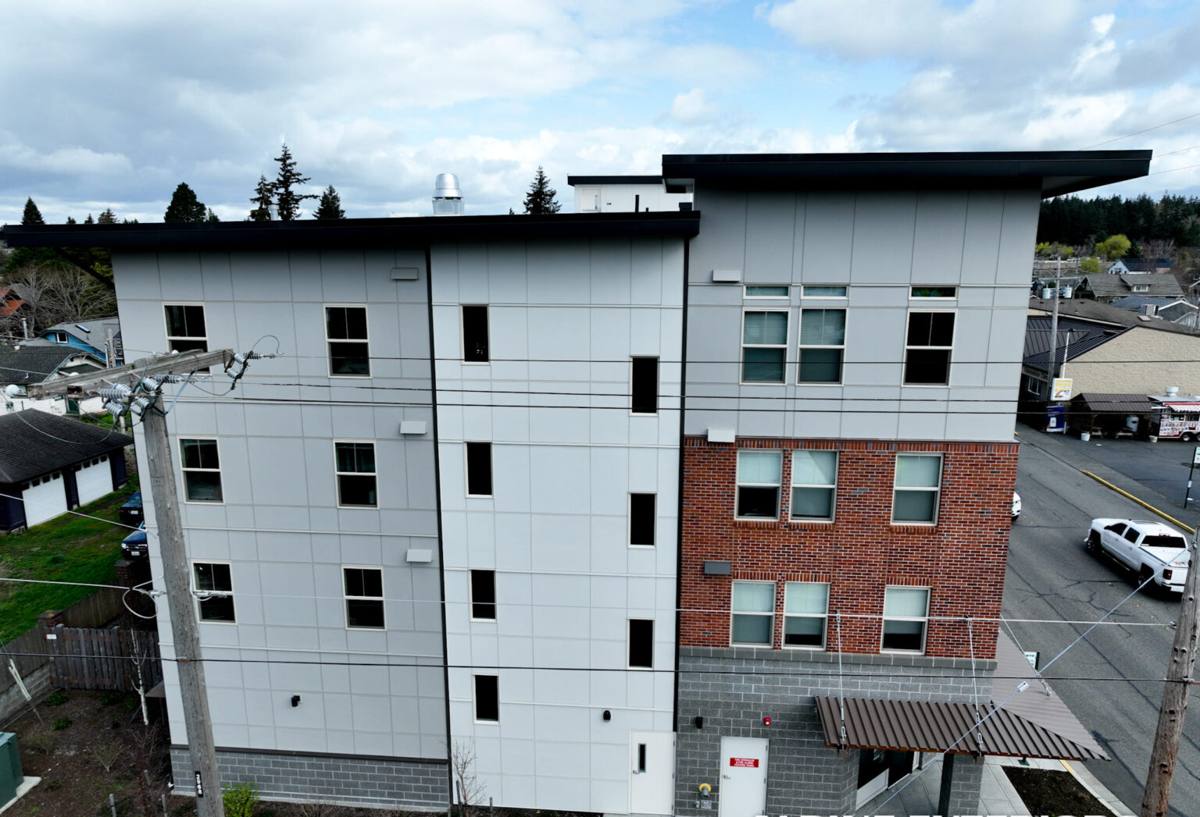
What This Climate Actually Does to a Window Over Time
Moisture at the Frame and Sill
Most window failures we find in this region aren't glass failures — they're water management failures. Rain driven sideways by wind finds its way behind trim and siding through gaps that were never properly flashed, and once water gets behind a window frame, it has nowhere to go but into the wall cavity. In a climate with this much annual rainfall, a small flashing mistake made during the original install can take years to show up as rot, but it will show up.
Salt Air and Hardware
Homes closer to the water deal with an added factor: salt in the air accelerates corrosion on window hardware, screws, and any exposed metal flashing. Cheaper fasteners and low-grade hinges or locks corrode faster here than they would inland, which is one reason we pay attention to hardware grade, not just frame material, when we spec a window for this area.
Moss, Shade, and Standing Moisture
A long moss season means anything horizontal — sills, trim ledges, the tops of window heads under an overhang — stays damp longer than it would in a drier climate. Moss and algae growth on and around a window isn't just cosmetic. It holds moisture against the surface and, on wood trim especially, keeps the substrate wet enough to start breaking down paint and sealant faster than the manufacturer's warranty assumes.
What a Correct Installation Actually Involves
A window installation done right in this climate has very little to do with the window itself and almost everything to do with the opening it goes into. The window is a manufactured product built to a consistent standard; the wall around it is not. Getting the water management right at that interface is the entire job.
Sloped Sill Pans
Every window opening should have a sloped sill pan — a water barrier under the window that directs any moisture that gets past the frame back outside rather than letting it pool. This is a step that gets skipped more often than homeowners realize, especially in older installs, because it takes more time and isn't visible once the window is in.
Flashing Sequenced with the Weather Barrier
Flashing tape and building paper (or house wrap) have to be layered in the right order — top piece over the one below it, like shingles — so water sheds downward and outward instead of getting trapped behind the window flange. This is a detail that either gets done correctly the first time or becomes a hidden problem for years.
Sealant as a Backup, Not the Primary Defense
Caulk and sealant matter, but they're the last line of defense, not the first. A window that relies on a bead of caulk to keep water out — with no sloped sill pan or properly lapped flashing underneath — will eventually fail once that sealant ages, shrinks, or gets damaged by moss or UV exposure. We treat sealant as a supplement to mechanical water management, not a substitute for it.
Choosing a Frame Material for This Climate
There's no single "correct" window material for every home — it depends on budget, exposure, and how the home is trimmed out. Here's how the common options generally hold up in a wet, salt-influenced coastal climate:
| Frame Material | Moisture Tolerance | Maintenance | Typical Cost Position |
|---|---|---|---|
| Vinyl | Good — won't rot, minimal water absorption | Low — occasional cleaning | Lower to mid |
| Fiberglass | Very good — dimensionally stable in wet/dry cycles | Low | Mid to higher |
| Wood (unclad) | Poor without diligent upkeep — needs paint/sealant maintained regularly | High — repainting, caulk checks | Mid to high |
| Wood-clad (vinyl or aluminum exterior) | Good on the exterior face, but any breach at joints lets water into the wood core | Moderate — watch cladding seams | Higher |
Our default recommendation for most Alger-area homes is vinyl or fiberglass because both shed water without an ongoing maintenance obligation. We're not against wood-clad windows — they have a real appearance advantage some homeowners want — but we're upfront that they demand more attention at the seams where the cladding meets the frame, since that's exactly where this climate finds a way in.
Our Installation Process
- On-site assessment: We check the existing opening, siding condition, and any signs of past water intrusion before quoting anything.
- Careful removal: Old windows come out with attention to what's underneath — this is where hidden rot or old, inadequate flashing usually turns up.
- Sheathing and framing repair: Any soft or damaged wood gets addressed before a new window goes in. Installing a new window into a compromised opening just hides the problem.
- Sill pan and flashing installation: Sloped sill pan first, then flashing tape lapped in the correct order with the weather barrier.
- Window set and shimmed level: Proper shimming keeps the window operating smoothly and prevents stress cracks in the frame.
- Insulation and air-sealing: The gap between the frame and the rough opening gets filled correctly — not overpacked, which can bow the frame.
- Exterior trim and sealant: Final trim work and sealant as the backup layer, not the only layer.
- Cleanup and walkthrough: We show the homeowner the finished work and how the window operates and locks.
Mistakes We Commonly Find and Fix
When we're called out to look at a problem window — drafts, fogging between panes, soft trim, or water staining on an interior sill — a handful of issues come up repeatedly:
- No sloped sill pan, or a flat sill pan that lets water sit instead of draining
- Flashing tape applied out of sequence, letting water get trapped behind the flange
- Caulk used as the only water barrier, with nothing structural behind it
- Rotted sheathing or framing that was covered up rather than repaired
- Hardware that's already corroding from salt-air exposure within a few years of install
- Moss and organic buildup left to sit against wood trim, accelerating decay
Why a Local Crew Matters Here
Window installation isn't a product you buy off a shelf — it's a job whose quality depends entirely on whether the installer understands what the local climate does to a wall assembly over time. A crew that works this area regularly has already seen what a decade of Whatcom County rain does to a poorly flashed window, and that experience shapes how we install the next one. We're not learning the region's failure points on your house; we've already seen them on others nearby.
There's also a practical side to being local: we're not driving hours to get to a callback if something needs adjusting after the fact, and we're familiar with the kind of siding, trim, and construction common to homes in and around Sudden Valley and Alger, which speeds up the assessment and keeps surprises during the job to a minimum.
After Installation: What Keeps a Window Performing
A correct install is most of the work, but a little homeowner attention keeps it performing for the long run in this climate:
- Rinse pollen, salt residue, and grime off frames and glass a couple times a year
- Keep moss and organic debris cleared off sills, trim, and anything horizontal near the window
- Check exterior caulk lines annually for cracking or separation, especially after a hard winter
- Operate locks and hardware periodically so corrosion doesn't seize them unnoticed
- Watch for soft spots or discoloration on interior sills, which can signal a flashing issue worth catching early
Getting an Honest Look at Your Windows
If you're dealing with drafts, fogged glass, soft trim, or you're just planning ahead for a home in the Alger or Sudden Valley area, we're glad to come take a look and give you a straight answer about what's needed and what it will cost — no pressure, no upsell on parts of the job that don't need it. Use the form below to request a free estimate.