 Sudden Valley
 Window Replacement for Deming Homes
Deming sits back from the coast, but that doesn't mean the weather is any gentler on a house. Long stretches of driving rain roll through Whatcom County most of the year, humidity sits high in the shoulder seasons, and moss finds a foothold anywhere moisture lingers. Windows are one of the first places all of that shows up — fogged glass, swollen sashes, drafts around the frame, or soft trim you can press a thumbnail into. If your windows are original to the house or older vinyl units from a couple decades back, there's a good chance they're no longer doing the job they were built for.
We replace windows on homes throughout the Deming area and the rest of our Sudden Valley service territory, and we approach it the same way every time: figure out what's actually happening at the opening before we talk about which window goes in it. A new window installed over a wet or rotted sill doesn't fix anything — it just hides the problem behind new trim for a year or two.
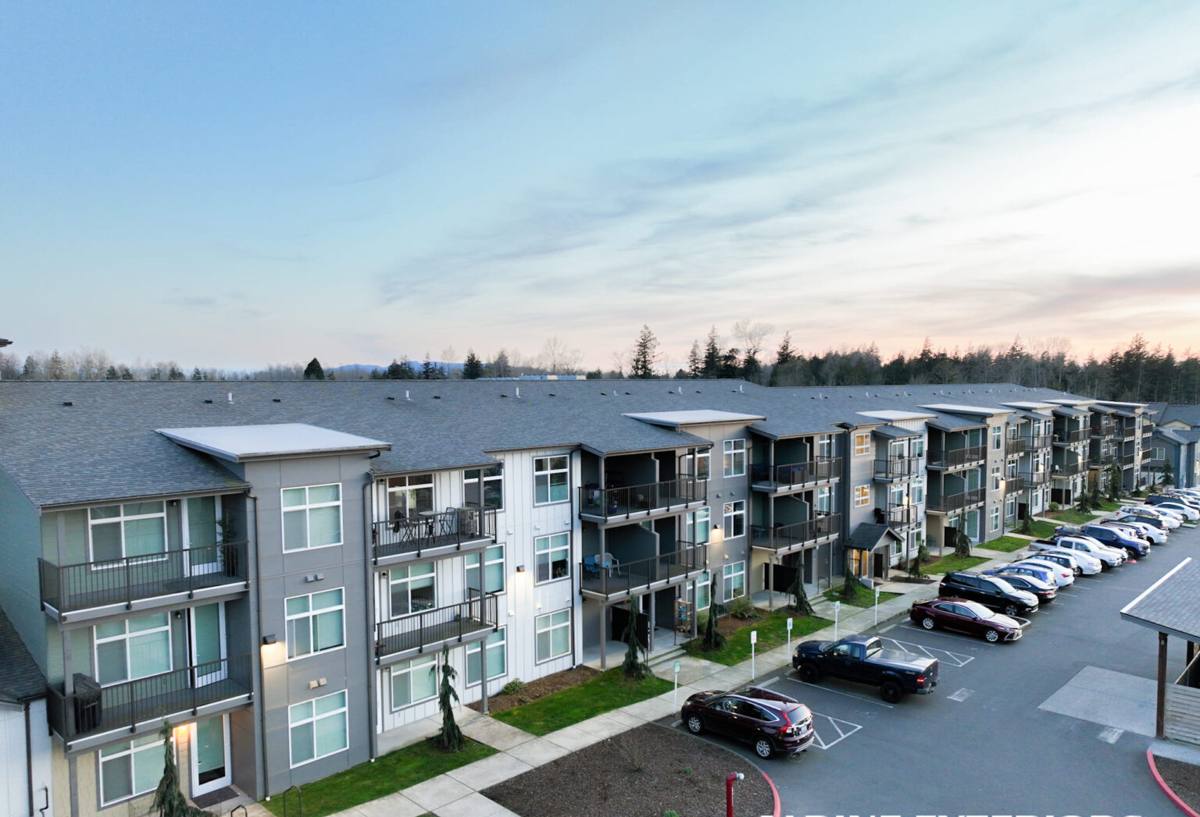
What Deming's Climate Does to Windows
A few things about this part of Whatcom County matter specifically for window performance and lifespan:
- Sustained rain, not just occasional storms. Wind-driven rain can push water sideways into gaps around a window frame that would stay dry in a lighter climate. Flashing details that are "close enough" elsewhere aren't close enough here.
- Moss and organic growth. Shaded north- and west-facing walls near tree lines hold moisture longer, which speeds up wood rot at sills and trim and keeps humidity elevated right at the window opening.
- Temperature swings between seasons. Cold, damp winters followed by warmer, humid summers stress seals and gaskets over time, which is why older double-pane units in this area tend to fog up (seal failure) sooner than the manufacturer's rated lifespan suggests.
- Wood-frame homes with older window stock. A lot of homes in and around Deming still have builder-grade aluminum or early vinyl windows from the 80s and 90s. Those weren't built with today's weatherization standards and were never great at shedding this much sustained moisture.
None of this means every window needs to be replaced on a schedule. It means that when a window starts failing here, it's usually a moisture problem underneath the glass, not just a cosmetic issue.
Signs It's Time to Look at Replacement
- Fogging or a milky haze between the panes (seal failure — this doesn't clear up, and it won't fix itself)
- Visible gaps, drafts, or a noticeable temperature difference near the window
- Wood trim or sill that's soft, discolored, or has moss/mildew staining
- Windows that are hard to open, close, or lock — often a sign the frame has shifted or swelled
- Rising energy bills with no other obvious cause
- Visible daylight or a whistling sound around the frame in wind
What a Correct Window Replacement Actually Involves
"Replacing a window" is really two jobs: removing the old unit without damaging the opening, and installing the new one so water has no path in. The second part is where most problems come from if it's rushed.
Our Process
- Inspect the opening. Before we quote anything final, we look at the sill, framing, and any sheathing we can see for rot or water damage. This is the step that gets skipped by crews trying to move fast, and it's the one that matters most in a climate like this.
- Address anything we find. If there's soft wood or evidence of past water intrusion, we repair or replace that framing before the new window goes in. A new window over rotten framing just relocates the failure a few years down the road.
- Install with proper flashing and sealing. This means correctly lapped flashing tape, a sloped sill pan where called for, and sealant used in the right places — not as a substitute for flashing, which is a common shortcut.
- Insulate the gap correctly. The space between the new frame and the rough opening gets filled with a low-expansion foam or backer rod and sealant designed for that gap — not stuffed with fiberglass, which does little to stop air movement.
- Finish and trim. Interior and exterior trim gets reinstalled or replaced to match, with attention to keeping water shedding away from the wall rather than behind it.
- Walk the job with you. We check operation, look at the finish work, and answer questions before we consider it done.
Choosing the Right Window for This Area
There's no single "best" window — the right choice depends on your home's exposure, your budget, and how much upkeep you want to take on. Here's how the common options generally compare for a place like Deming:
| Frame Material | How It Handles Local Moisture | Maintenance | Typical Fit |
|---|---|---|---|
| Vinyl | Good — won't rot, handles sustained rain well | Low | Most homes; best value for performance |
| Fiberglass | Very good — dimensionally stable, resists warping in temperature swings | Low | Homes wanting a longer-term upgrade, especially on exposed walls |
| Wood | Requires diligence — attractive but vulnerable to the rot risk in this climate without consistent upkeep | High | Homeowners committed to regular painting/sealing, often for a specific look |
| Wood-clad (wood interior, aluminum/vinyl exterior) | Good — exterior shell protects the wood from weather | Moderate | Homeowners who want a wood look inside without the full exposure risk outside |
| Aluminum | Weaker — conducts cold and is more prone to condensation in our damp winters | Low | Rarely our recommendation for full replacements here |
For most Deming homes, we steer people toward vinyl or fiberglass because they hold up against sustained rain without the ongoing maintenance that wood demands. That's not a knock on wood windows as a product — it's an honest read on the upkeep this climate requires, and we'd rather tell you that up front than sell you something that needs more attention than you're expecting to give it.
Glass Packages Worth Considering
- Double-pane, low-E glass — the standard for most replacements; good insulation value and UV protection
- Triple-pane — better insulation and sound dampening, worth considering on north-facing walls or rooms that run cold in winter
- Argon or krypton gas fill — improves insulating performance between panes; standard on most quality windows now
Cost Factors for Deming Window Replacement
We don't post fixed prices because every job is different, but here's what actually moves the number:
| Factor | Why It Matters |
|---|---|
| Number and size of windows | Straightforward scaling, but larger or custom-shaped windows cost more per unit |
| Frame material | Vinyl is typically the most cost-effective; fiberglass and wood cost more upfront |
| Condition of the existing opening | Rot repair or reframing adds labor and material beyond the window itself |
| Full-frame vs. insert replacement | Insert (replacing just the sash within the existing frame) is cheaper but only appropriate when the existing frame is sound |
| Access and story height | Second-story or hard-to-reach windows take more time and equipment |
| Trim and finish work | Matching existing trim profiles or repainting adds to the scope |
The honest answer on insert vs. full-frame replacement: insert replacements are less invasive and less expensive, but they only make sense when we've confirmed the existing frame and sill are dry and sound. If there's rot or a history of water intrusion, an insert just seals a problem inside the wall. That's why the inspection step comes before the recommendation, not after.
Why a Local Crew Matters Here
A window that's flashed and sealed correctly for a drier climate isn't necessarily flashed correctly for Whatcom County. We work in Deming and the surrounding Sudden Valley area regularly, so we're used to building in the margin this climate demands — proper flashing laps, sill pans where the exposure calls for it, and materials that hold up to sustained wet weather rather than the occasional shower. That's not a sales pitch; it's just what the conditions here require, and it's the same standard we hold on every window we install, regardless of brand or price point.
We're also nearby if something needs a look after the fact — a callback for an adjustment or a question about how a window is operating isn't a big trip for us.
Get a Free, No-Pressure Estimate
If your windows are drafty, foggy, hard to operate, or just old enough that you're wondering if it's time, we're happy to come take a look. We'll tell you honestly what we see — including if replacement isn't actually necessary yet — and give you a straightforward estimate for the work. Use the form below to request a free estimate for your Deming home.