 Sudden Valley
 Window Installation in Acme Has to Answer to the Weather
Acme sits in a foothill valley east of Sudden Valley, tucked against timber and river bottomland that holds moisture longer than the open lowlands do. That matters for windows. A window is only as good as the flashing, drainage, and sealing details around it, and in a spot that stays damp for months at a stretch, those details are what separate a window that lasts twenty-plus years from one that starts leaking, fogging, or rotting out its trim in five.
Whatcom County's marine weather systems push salt-tinged, moisture-loaded air inland off the Sound, and by the time it reaches Acme it's usually carrying rain on a slant, driven by wind funneling through the valley. Combine that with tree cover that shades siding and window trim from drying out, and you get a long moss season where anything north-facing or under overhangs stays wet far more of the year than a homeowner from a drier climate would expect. New windows installed here need to be installed for that reality, not for a textbook install in a dry climate.
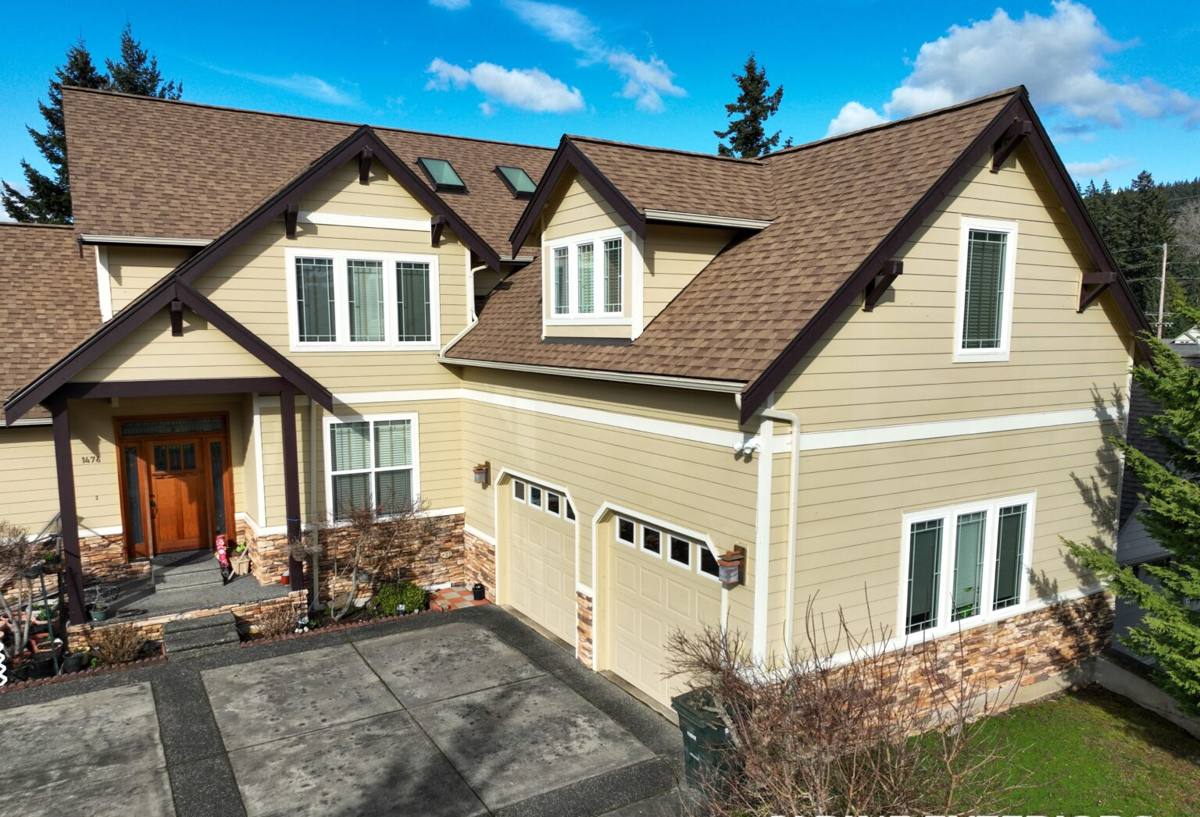
What This Climate Actually Does to Windows Over Time
Driving rain and wind-driven moisture
Rain that falls straight down is easy to shed. Rain that's pushed sideways by wind — which is common in this valley — finds its way under trim, into nail holes, and behind poorly lapped flashing. Over years, that moisture works into the wall assembly around the window opening, not just the window unit itself. This is why so many "window problems" are actually installation problems that show up as rot in the framing or sheathing long before the glass or sash fails.
Moss and organic growth
A long moss season doesn't just make trim look dirty. Moss and algae hold water against wood and painted surfaces almost permanently, which accelerates paint failure, wood softening, and eventually rot at sills and corner joints. Windows with poor drainage details are the first place this shows up, because water that should be shedding away instead sits and lets growth take hold.
Temperature swings between valley floor and higher ground
Acme's position in the foothills means cold air can pool overnight even when nearby lowland areas stay milder. That daily swing between cold nights and damp days keeps window assemblies working through more expansion-and-contraction cycles each year, which is hard on sealants and glazing seals that weren't rated for it.
What a Correct Window Installation Actually Involves
A window installation is really a small, controlled construction project at each opening. Skipping steps doesn't usually cause a visible problem right away — it causes one three, five, or ten years down the road, hidden behind the trim.
Flashing and weather barrier integration
The window has to be integrated into the house's water management system, not just screwed into the hole. That means flashing tape or metal flashing lapped correctly with the house wrap or building paper — water always directed out and down, never trapped behind a layer above it.
Sill pan drainage
Any water that gets past the window — and in driving rain, some always will — needs somewhere to go. A sloped sill pan with a drainage path back to the exterior keeps that water from pooling on the rough sill and soaking into the framing.
Insulation and air sealing without overpacking
The gap around the window frame needs low-expansion foam or backer rod and sealant, sized correctly. Overpacking with rigid foam can bow the frame and cause the sash to bind or seal poorly, which then invites more moisture in.
Exterior trim and finish work
Trim needs back-priming (paint or sealer on the back side before install, not just the face), and any joints need a sealant rated for exterior movement — not just caulk that looks fine on install day and cracks the first winter.
Choosing the Right Window for a Site Like This
There's no single "best" window material — the right choice depends on exposure, budget, and how much upkeep the homeowner wants to do. Here's how the common options generally compare for a damp, foothill climate like Acme's:
| Window Type | Moisture Tolerance | Maintenance | Typical Lifespan |
|---|---|---|---|
| Vinyl | Good — won't rot, minor expansion/contraction | Low | 20–30 years |
| Fiberglass | Very good — dimensionally stable, handles temperature swings well | Low | 30+ years |
| Wood (unclad) | Poor without diligent upkeep in constant damp | High — regular repainting/sealing | Varies widely with maintenance |
| Wood-clad (exterior aluminum/vinyl over wood) | Good on the exterior face, but any breach in the cladding traps moisture against wood | Moderate | 20–30 years if cladding stays intact |
For most Acme homes, we steer people toward vinyl or fiberglass for anything with real weather exposure. It's not that wood or wood-clad products are bad products — it's that they demand more upkeep to hold up in a climate that keeps trim wet for long stretches, and if that upkeep slips for even a season or two, moisture gets ahead of the finish. We'd rather set that expectation up front than sell a product that turns into a maintenance project.
Our Process for a Window Installation Job Here
- On-site assessment — we check existing flashing, look for signs of past water intrusion at sills and corners, and note site-specific exposure (tree cover, prevailing wind direction, roof runoff).
- Careful tear-out — old windows come out without tearing up more siding or trim than necessary, and we inspect the rough opening for hidden rot before anything new goes in.
- Sheathing and framing repair — any soft or water-damaged wood gets replaced now, not covered up. This is the step that gets skipped by rushed installs and causes the most callbacks industry-wide.
- Weatherproofing the opening — sill pan, flashing tape, and house wrap integration done in the correct shingle-lap order.
- Setting and shimming the window — level, plumb, square, and fastened per the manufacturer's schedule (this affects warranty coverage).
- Insulating and sealing — low-expansion foam or backer rod, then exterior sealant rated for our temperature range.
- Trim and finish — back-primed trim, correctly lapped joints, and paint or caulk matched to the surrounding siding.
- Walkthrough — we operate every sash and lock with the homeowner before we call the job done.
Signs Your Current Windows Need Attention
Homeowners often wait too long on window problems because early signs look cosmetic. Here's what we'd want you to flag before it becomes structural:
- Fogging or moisture between panes (failed seal on double or triple glazing)
- Soft, spongy, or dark-stained trim at the sill or corners
- Visible moss or persistent green staining on the trim itself, not just the siding
- Drafts you can feel near the frame on a windy day
- Windows that stick, won't stay open, or are hard to latch
- Paint that's peeling specifically around the window rather than the wall field
- Condensation on interior sills during cold snaps
Any one of these on its own might be minor. Two or three together, especially on the same window, usually means water's been getting behind the trim for a while.
What Actually Drives Cost
Every job is different, but these are the factors that move the price on a window installation the most:
| Factor | Why It Matters |
|---|---|
| Number and size of windows | Labor and material scale directly with opening count and size |
| Window material (vinyl, fiberglass, wood-clad) | Material cost varies significantly; fiberglass typically costs more than vinyl |
| Condition of existing framing | Hidden rot found during tear-out adds repair scope before the new window can go in |
| Access and site conditions | Second-story openings, tight tree cover, or difficult ladder access add time |
| Trim and siding tie-in | Matching existing trim profiles or siding around a larger or differently-shaped opening adds carpentry work |
We'll always walk through which of these apply to your home before giving a number — broad estimates without seeing the actual openings tend to be wrong in one direction or the other.
Why It Matters That We Already Work in Acme
A window installer who mostly works drier, more open parts of the county can do a technically fine install and still miss what matters here — because the failure modes in a shaded, damp foothill valley aren't the same ones they see most often. Knowing to check for extra moss buildup at north-facing trim, to expect wetter sheathing behind older siding, and to size drainage details for genuinely long wet stretches rather than occasional rain isn't something you get from a spec sheet. It comes from having done the tear-outs and seen what a few decades of Whatcom County weather actually does to a window opening in this specific kind of setting.
If you're weighing a window replacement or planning ahead for one, we're happy to come look at your home, walk through what we're seeing, and put together a straightforward, no-pressure estimate — just fill out the form below to get started.